
Online Sinus Infections Treatment
Affordable, Professional, and Convenient Care from the Comfort of Your Home
For: All ages
Estimated wait time: 5 minutes or less
What is Sinus Infections?
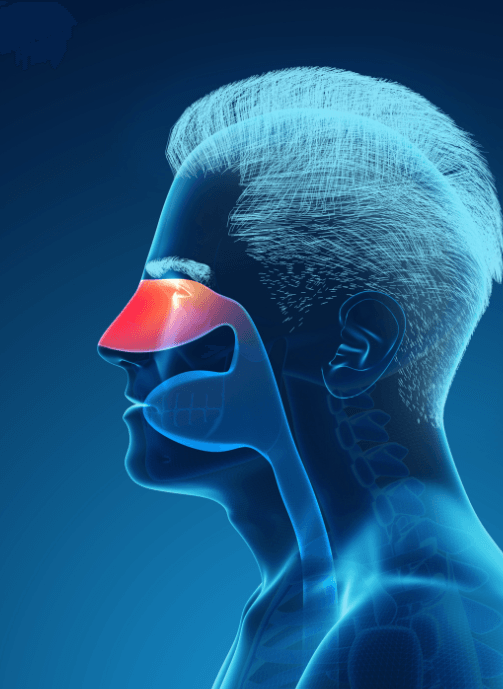
A sinus infection, or sinusitis, occurs when the sinuses become inflamed due to a viral, bacterial, or fungal infection. It often follows a cold or allergies, leading to symptoms like facial pain, nasal congestion, headaches, thick nasal discharge, and pressure around the eyes, nose, or forehead.
Acute sinus infections typically last a few weeks, while chronic cases persist for months. Treatment includes nasal sprays, decongestants, pain relievers, and, in bacterial cases, antibiotics. Staying hydrated, using a humidifier, and nasal irrigation can help relieve symptoms.
Types of Sinus Infections
There are several types of sinus infections (sinusitis), which can be classified based on the duration and cause of the infection. The main types include:
Acute Sinusitis
This type of sinus infection is short-term, typically lasting less than four weeks. It is commonly caused by a viral infection, such as a cold, but can also result from bacterial or fungal infections. Symptoms include nasal congestion.
Subacute Sinusitis
This type lasts between four and twelve weeks and is often a progression from acute sinusitis. It can be caused by viral or bacterial infections, and its symptoms are similar to those of acute sinusitis but persist for a longer period.
Chronic Sinusitis
Chronic sinusitis lasts for more than twelve weeks and may recur multiple times throughout the year. It is often associated with underlying issues such as allergies, nasal polyps, or structural abnormalities in the sinuses.
Recurrent Sinusitis
This type involves several episodes of acute sinusitis within a year. Each episode lasts less than four weeks but recurs multiple times over the course of a year.
Fungal Sinusitis
Fungal infections, though less common, can cause sinusitis, particularly in people with weakened immune systems. Fungal sinus infections may cause symptoms.
An online Sinus Infections visit costs $9.9
Your health is important, and with Doctors Care Online, getting professional advice has never been easier. Skip the waiting rooms, avoid the high costs of in-person visits, and get the treatment you need quickly.
Symptoms of Sinus Infections
The symptoms of sinus infections (sinusitis) can vary depending on the severity and type (acute, subacute, chronic), but common symptoms include:
- Nasal Congestion or Blockage – Difficulty breathing through the nose due to swelling of the nasal passages.
- Facial Pain or Pressure – A feeling of pressure or pain around the cheeks, eyes, forehead, or nose, which can worsen when bending over or lying down.
- Thick Nasal Discharge – Mucus that is yellow or green in color, often accompanying a runny nose.
- Postnasal Drip – Mucus that drips down the back of the throat, causing irritation and a sore throat.
- Headache – A pressure-like headache, often localized to the forehead or around the eyes.
- Cough – A persistent cough that may worsen at night due to postnasal drip.
- Fever – Mild fever, often in cases of bacterial infections.
- Fatigue – Feeling unusually tired or lethargic.
- Decreased Sense of Smell or Taste – Difficulty smelling or tasting food due to nasal congestion.
- Tooth Pain – Pain or pressure in the upper teeth, often caused by sinus congestion.
Cause of Sinus Infections
Sinus infections (sinusitis) are primarily caused by inflammation or infection of the sinuses, which are air-filled cavities in the skull. The main causes include:


- Viral Infections – The most common cause of sinusitis is a viral infection, such as the common cold or flu. The virus can lead to swelling of the sinuses and block the flow of mucus, causing an infection.
- Bacterial Infections – Bacterial infections can develop after a viral infection or when the sinuses become blocked and mucus builds up. Bacteria may then proliferate in the stagnant mucus, leading to a secondary bacterial sinus infection.
- Allergies – Allergies to pollen, dust, mold, pet dander, or other allergens can trigger inflammation in the sinuses, leading to sinusitis. This is known as allergic rhinitis and can increase the risk of sinus infections.
- Nasal Polyps – Non-cancerous growths in the nasal passages or sinuses can block the flow of mucus and lead to chronic sinus infections.
- Deviated Septum – A structural abnormality in the nasal passage, such as a deviated septum, can obstruct the sinuses and increase the risk of infections.
- Environmental Irritants – Exposure to pollutants, smoke, or chemicals can irritate the nasal passages and sinuses, leading to inflammation and potential infection.
- Dental Infections – Infections in the upper teeth or gums can spread to the sinuses, causing a sinus infection.
- Fungal Infections – Although rare, fungal infections can cause sinusitis, particularly in people with weakened immune systems.
- Weakened Immune System – People with conditions like HIV/AIDS, diabetes, or those taking immunosuppressive medications are more prone to infections, including sinusitis.

I was struggling with a sinus infection for days, and my symptoms were getting worse. I booked an online consultation with Doctors Care Online, and within minutes, a doctor diagnosed me and prescribed medication. The process was seamless, and I felt better in just a few days. Highly recommended!