
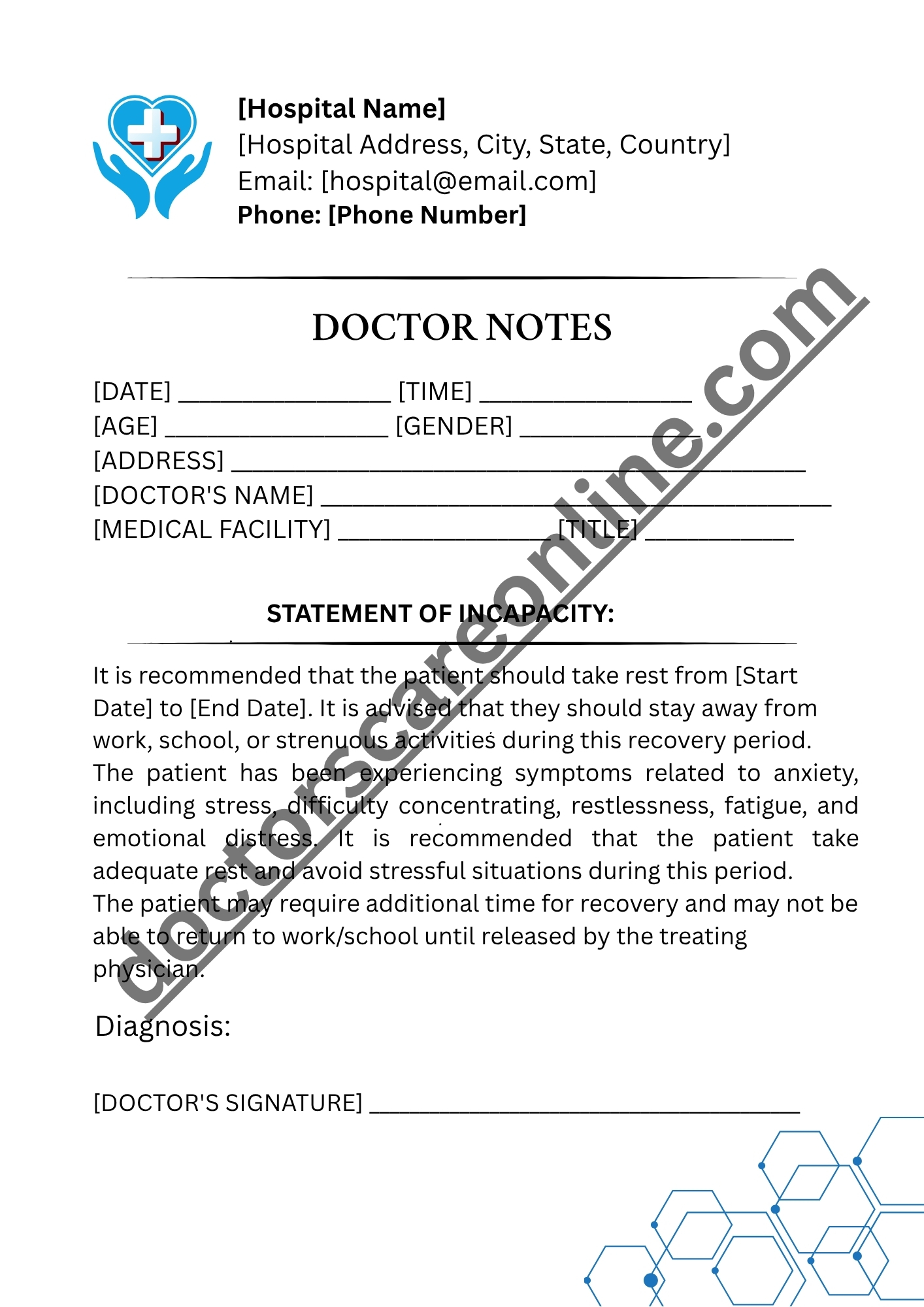
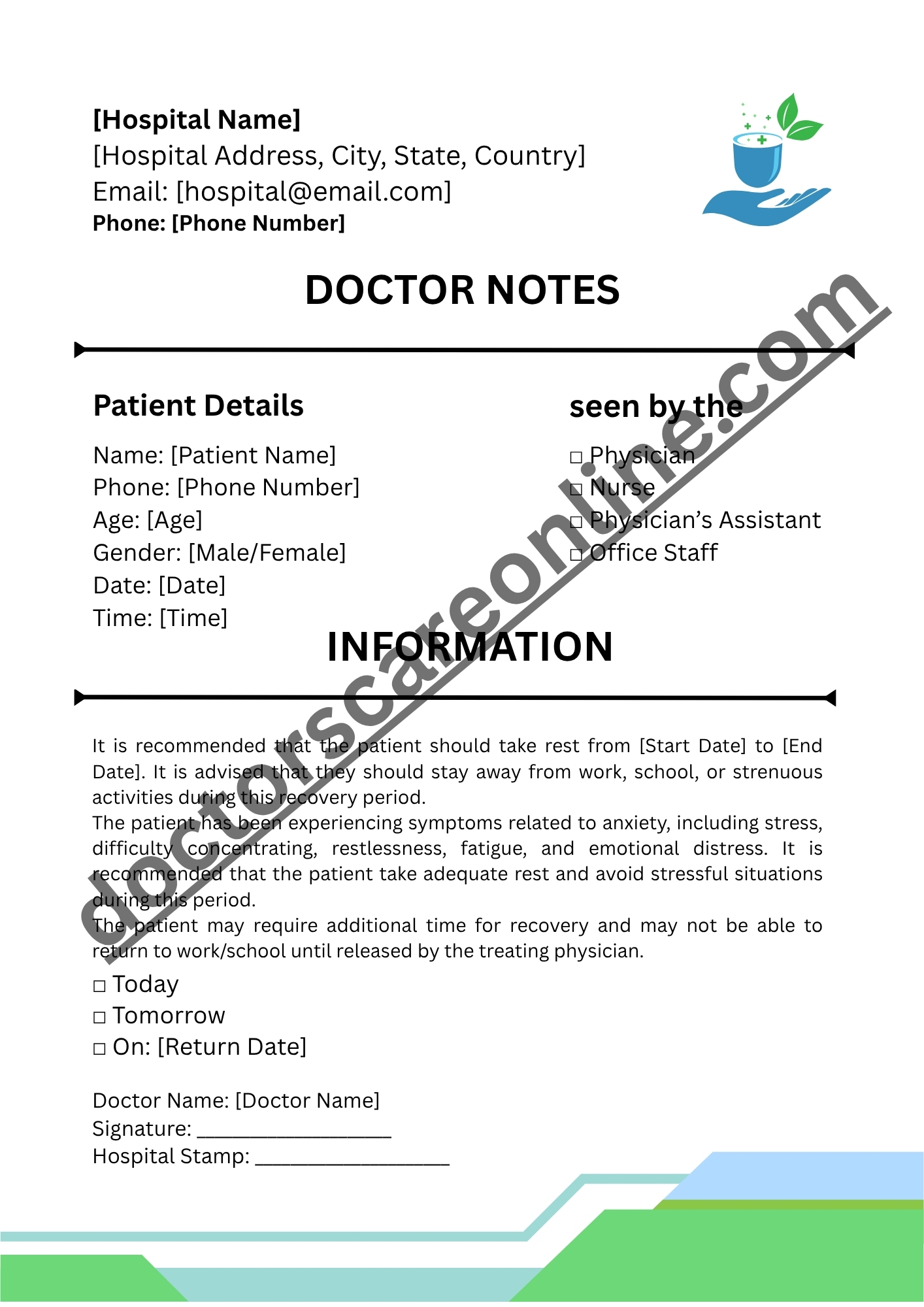
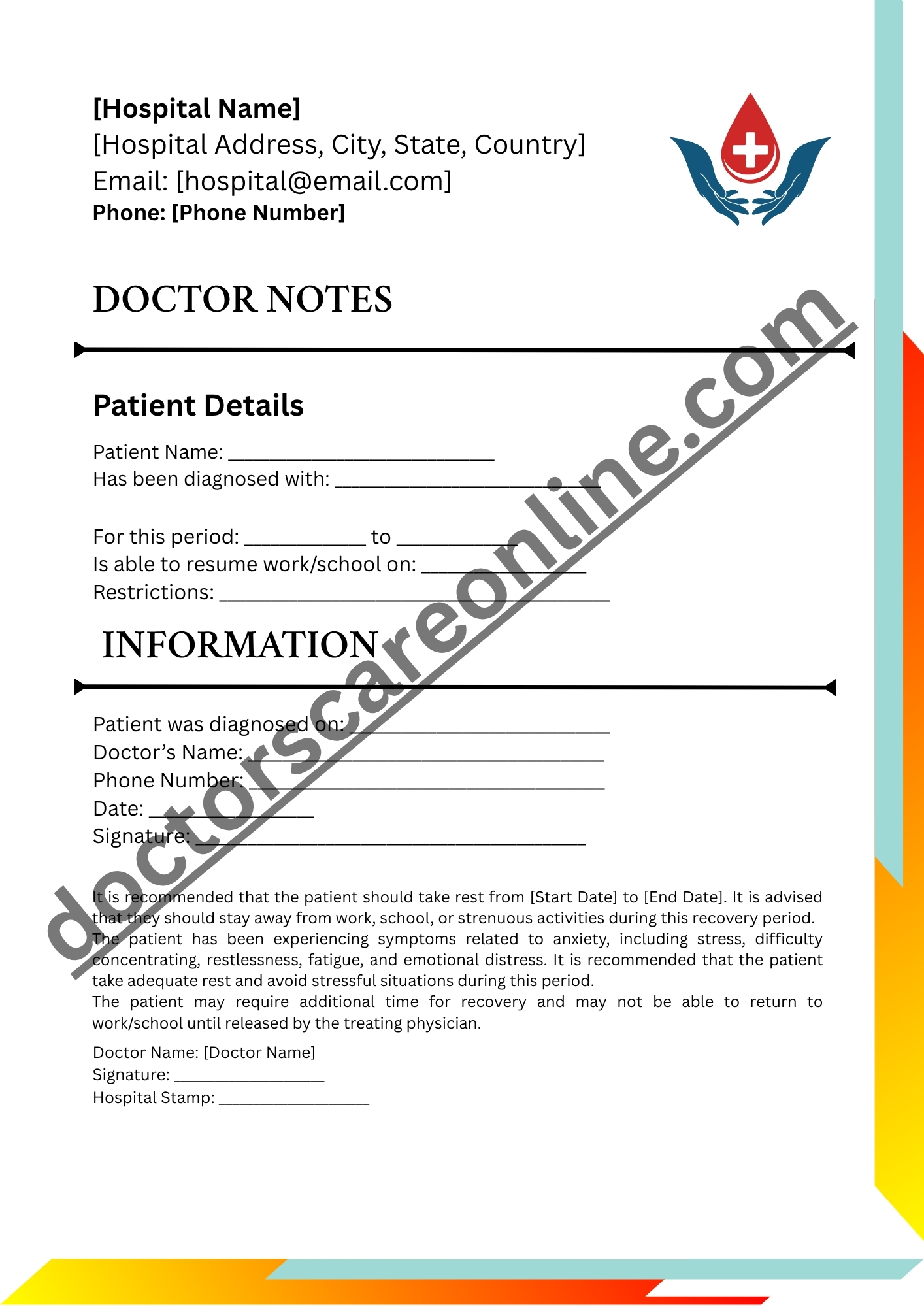
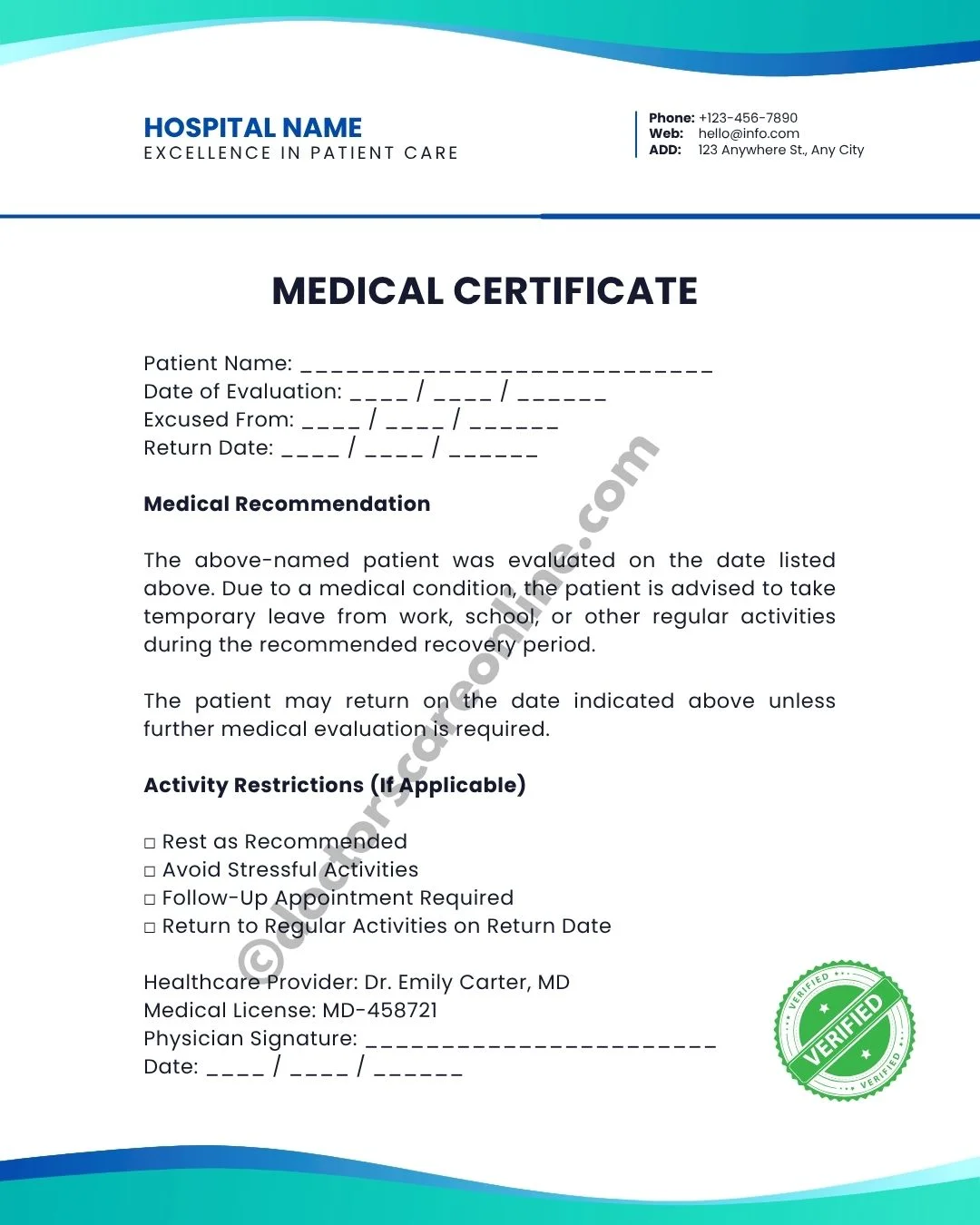
A Doctor’s Note for Anxiety is an official medical document provided by a licensed healthcare professional after evaluating a person’s mental health condition. It confirms that the individual has discussed their symptoms with a healthcare provider and may need medical support, time away from work or school, or certain accommodations during their recovery period.
Anxiety can affect daily activities, concentration, sleep, work performance, and overall well-being. In such situations, a medical note can help explain the need for absence or adjustments without requiring the person to share private health details.
Why Do People Need a Doctor’s Note for Anxiety?
People may request an anxiety doctor’s note when their symptoms begin affecting their ability to manage regular responsibilities. Anxiety-related challenges can sometimes make it difficult to focus, attend work, complete academic tasks, or maintain normal routines.
Common reasons people may need this medical documentation include:
- Work Leave: Employees may need a medical note to support a request for mental health leave or sick leave.
- School or College Absence: Students may use an anxiety medical note to explain missed classes, exams, or assignments.
- Workplace Support: Some individuals may need reasonable adjustments, such as flexible schedules or reduced workload.
- Recovery Time: A doctor may recommend a short break from stressful situations to allow proper recovery.
- Medical Documentation: Some organizations require official proof when requesting extended leave or accommodations.
What Information Is Included in an Anxiety Doctor’s Note?
An anxiety doctor’s note usually includes important medical and administrative details while protecting the patient’s privacy. The exact information may vary depending on the healthcare provider and the purpose of the note.
| Information Included | Details |
|---|---|
| Patient’s Name | Full name of the person receiving medical care |
| Date of Evaluation | Date when the healthcare provider assessed the patient |
| Healthcare Provider Details | Name, credentials, and contact information |
| Medical Recommendation | Advice regarding rest, leave, or accommodations |
| Recovery Period | Recommended time away from regular activities if needed |
| Return Guidance | Instructions related to returning to work or school |
| Provider Authorization | Doctor’s signature and official approval |
Signs and Symptoms of Anxiety
Anxiety can affect a person’s thoughts, emotions, physical health, and daily activities. While occasional stress and worry are common, anxiety symptoms may become a concern when they are intense, frequent, or start interfering with work, school, college, relationships, or normal routines.
Common Emotional and Mental Symptoms of Anxiety:
- Excessive worrying about everyday situations or future events
- Feeling constantly nervous, restless, or on edge
- Difficulty controlling anxious thoughts
- Feeling overwhelmed by normal responsibilities
- Trouble concentrating or making decisions
- Increased fear or feeling that something bad may happen
- Irritability or mood changes
- Feeling unable to relax
Physical Symptoms of Anxiety:
- Fast heartbeat or increased heart rate
- Shortness of breath or feeling of tightness in the chest
- Sweating or feeling shaky
- Muscle tension or body aches
- Headaches
- Dizziness or lightheadedness
- Stomach discomfort, nausea, or digestive issues
- Feeling tired even after normal activities
When to Seek Medical Support for Anxiety:
Consider talking to a healthcare provider if anxiety:
- Continues for a long period
- Interferes with work, school, or personal life
- Causes frequent panic attacks
- Affects sleep, appetite, or concentration
- Feels difficult to manage on your own
A healthcare professional can evaluate your symptoms and recommend appropriate support, treatment options, or accommodations if needed.
How to Get a Doctor’s Note for Anxiety?
Getting a doctor’s note for anxiety usually involves a medical consultation where a healthcare provider evaluates your symptoms and determines the appropriate recommendation.
Steps to Get an Anxiety Doctor’s Note:
1. Schedule a Medical Appointment
- Book an appointment with a licensed doctor, mental health professional, or healthcare provider.
- You can choose an in-person visit or an online consultation if available.
2. Discuss Your Symptoms
During the appointment, explain:
- How anxiety is affecting your daily life
- Any physical or emotional symptoms
- Problems with work, school, sleep, or concentration
3. Complete Medical Evaluation
The healthcare provider may ask questions about:
- Your symptoms
- Stress levels
- Duration of anxiety
- Impact on daily activities
4. Receive Medical Advice
Based on the evaluation, the doctor may recommend:
- Rest period
- Treatment options
- Therapy
- Workplace or academic accommodations
5. Get the Medical Note
If medically appropriate, the healthcare provider will provide an anxiety doctor’s note with necessary recommendations.
How to Book an Online Appointment for an Anxiety Doctor’s Note for Office, School, or College?
If anxiety symptoms are affecting your ability to attend work, school, or college, you can book an online consultation with a licensed healthcare provider. After evaluating your condition, the provider may recommend appropriate treatment, rest, or medical documentation if required.
Steps to Book an Online Appointment:
1. Choose a Reliable Online Healthcare Platform
- Select a trusted telehealth service or healthcare provider that offers mental health consultations.
- Check whether licensed doctors or mental health professionals are available.
2. Select a Mental Health Consultation
- Choose an appointment category related to:
- Anxiety consultation
- Mental health support
- Stress management
- General medical consultation
3. Pick a Suitable Date and Time
- Select an available appointment slot according to your schedule.
- Many online platforms provide same-day or flexible appointment options.
4. Complete Your Patient Details
Provide basic information such as:
- Name and contact details
- Reason for consultation
- Current symptoms or concerns
- Whether the note is needed for work, school, or college
5. Attend the Online Consultation
During the appointment:
- Explain how anxiety is affecting your daily responsibilities.
- Discuss symptoms such as stress, difficulty concentrating, sleep problems, or panic symptoms.
- Share details about your work, school, or college requirements.
6. Receive Medical Advice and Documentation
After evaluation, the healthcare provider may provide:
- Anxiety treatment recommendations
- Recovery guidance
- Medical documentation or a doctor’s note if medically appropriate
For Office, School, or College Leave:
Before submitting the anxiety doctor’s note, check your organization’s requirements, as policies may differ. Some workplaces or educational institutions may require specific details, a particular format, or additional documentation for extended leave.
How Long Is an Anxiety Doctor’s Note Valid for School, Office, or College?
The validity of an anxiety doctor’s note depends on the purpose of the note, healthcare provider’s recommendation, and the policy of the workplace or educational institution. There is no fixed number of days that applies everywhere.
| Purpose | How Long It May Be Accepted |
|---|---|
| Office / Workplace Leave | Usually valid for the specific dates mentioned by the doctor. Short-term sick leave notes may cover a few days to a couple of weeks, depending on the medical recommendation and company policy. |
| School Leave | Generally accepted for the absence period mentioned in the note. Schools may ask for additional documentation if the absence continues for a longer time. |
| College Leave | Usually valid for the dates recommended by the healthcare provider. Extended leave may require follow-up notes or additional approval from college authorities. |
Who Can Diagnose Anxiety and Issue a Medical Note?
Anxiety can be evaluated and diagnosed by qualified healthcare professionals who are trained to assess mental health symptoms. If anxiety is affecting your ability to work, attend school, or continue daily activities, a healthcare provider can evaluate your condition and determine whether medical documentation or a doctor’s note is appropriate.
Healthcare Professionals Who Can Diagnose Anxiety:
1. Primary Care Doctor (General Physician)
- A primary care doctor can assess anxiety symptoms, review your overall health, and provide an initial diagnosis.
- They may recommend treatment, refer you to a mental health specialist, or issue medical documentation if appropriate.
2. Psychiatrist
- A psychiatrist is a medical doctor specializing in mental health conditions.
- They can diagnose anxiety disorders, provide treatment plans, prescribe medication when needed, and issue official medical notes.
3. Licensed Psychologist
- A psychologist can evaluate anxiety symptoms through assessments and psychological evaluations.
- They may provide therapy and mental health recommendations.
- Depending on local rules, their ability to issue medical documentation may vary.
4. Licensed Mental Health Professionals
- Some licensed therapists or counselors can assess anxiety symptoms and provide treatment support.
- Whether they can issue a formal medical note depends on their professional license and regional regulations.
Treatment Options for Anxiety
Anxiety treatment depends on the severity of symptoms and individual needs. Common treatment options include:
- Therapy: Counseling and Cognitive Behavioral Therapy (CBT) help manage anxious thoughts and develop coping skills.
- Medication: Doctors may prescribe medications to help control anxiety symptoms when needed.
- Stress Management: Breathing exercises, meditation, mindfulness, and relaxation techniques can reduce stress.
- Lifestyle Changes: Regular exercise, healthy sleep, balanced diet, and reducing caffeine may improve symptoms.
- Support System: Talking with family, friends, or support groups can provide emotional support.
- Professional Follow-Up: Regular check-ins with a healthcare provider help track progress and adjust treatment.
Therapy and Counseling for Anxiety
Therapy and counseling are common treatment options that help people understand and manage anxiety symptoms. A trained mental health professional can help identify anxiety triggers, improve coping skills, and develop strategies to handle stress.
Common Therapy Options for Anxiety:
- Cognitive Behavioral Therapy (CBT): Helps change negative thought patterns and behaviors linked to anxiety.
- Talk Therapy: Provides a safe environment to discuss worries, emotions, and stressful situations.
- Exposure Therapy: Helps gradually manage fears by safely facing anxiety-related triggers.
- Mindfulness-Based Therapy: Teaches relaxation and awareness techniques to reduce anxious thoughts.
Therapy can help improve emotional control, confidence, concentration, and daily functioning. The type and duration of counseling depend on the individual’s symptoms and treatment needs.
Workplace Accommodations for Anxiety Disorders
Workplace accommodations for anxiety disorders are adjustments that help employees manage their symptoms while continuing to perform their job responsibilities. These accommodations may vary depending on the employee’s needs, job role, and workplace policies.
Common workplace accommodations may include:
- Flexible Work Schedule: Adjusted working hours or modified schedules to manage anxiety symptoms.
- Remote or Hybrid Work Options: Working from home when appropriate to reduce stress triggers.
- Additional Breaks: Short breaks during the workday to practice relaxation techniques or manage symptoms.
- Quiet Workspace: A less distracting environment to improve focus and reduce anxiety.
- Modified Workload: Temporary adjustments to tasks or deadlines during recovery periods.
- Supportive Communication: Regular check-ins with managers or HR for workplace support.
Employees may need medical documentation from a qualified healthcare provider when requesting formal accommodations. The approval process depends on company policies and applicable workplace regulations.
School or College Support for Students With Anxiety
- Flexible Deadlines: Additional time for assignments or projects when anxiety affects academic performance.
- Exam Accommodations: Extra time, quiet rooms, or alternative testing arrangements when approved.
- Counseling Services: Access to school or college counselors for emotional and mental health support.
- Flexible Attendance Support: Consideration for medically documented absences due to anxiety symptoms.
- Reduced Academic Stress: Adjustments to workload or academic schedules when needed.
- Quiet Study Areas: Access to calm environments for studying and completing tasks.
- Teacher or Faculty Support: Communication with teachers or professors about academic challenges.
- Peer Support Programs: Support groups or student wellness programs to reduce feelings of isolation.
- Mental Health Resources: Access to stress management programs, workshops, and coping strategies.
- Medical Documentation Support: A doctor’s note may help students request appropriate accommodations based on their needs.
Stress vs. Anxiety: Understanding the Difference
| Difference | Stress | Anxiety |
|---|---|---|
| Definition | Stress is a response to a specific challenge, pressure, or situation. | Anxiety is a feeling of excessive worry, fear, or nervousness that may continue even without an immediate threat. |
| Main Cause | Usually caused by external factors such as work pressure, exams, deadlines, or personal problems. | Can be caused by ongoing worries, fears, past experiences, or sometimes without a clear reason. |
| Duration | Often improves when the stressful situation is resolved. | May continue for weeks, months, or longer and can affect daily life. |
| Common Feelings | Feeling pressured, frustrated, overwhelmed, or tired. | Feeling constantly worried, fearful, restless, or unable to relax. |
| Physical Symptoms | Headaches, muscle tension, tiredness, increased heart rate, and difficulty sleeping. | Rapid heartbeat, shortness of breath, dizziness, panic symptoms, stomach issues, and sleep problems. |
| Impact on Daily Life | May temporarily affect focus and performance. | Can significantly interfere with work, school, relationships, and daily activities. |
| Management | Often improves with rest, relaxation, time management, and lifestyle changes. | May require therapy, counseling, medical support, or treatment depending on severity. |
| When to Seek Help | When stress becomes difficult to manage or affects health. | When anxiety feels uncontrollable or starts affecting normal routines and responsibilities. |
Emergency Warning Signs That Need Immediate Medical Care
Seek immediate medical help if anxiety symptoms become severe or create a risk to your safety. Emergency warning signs may include:
- Thoughts of self-harm or suicide or feeling unable to stay safe.
- Severe panic attacks that feel uncontrollable or do not improve.
- Chest pain, severe breathing difficulty, or fainting that may require urgent evaluation.
- Extreme confusion, loss of awareness, or unusual behavior changes.
- Inability to perform basic daily activities due to overwhelming anxiety symptoms.
- Severe physical symptoms such as intense dizziness, weakness, or sudden health changes.
- Feeling completely overwhelmed or out of control and unable to manage the situation alone.
If someone is experiencing a mental health emergency or feels at risk of harming themselves, contact local emergency services or seek immediate support from a qualified healthcare professional.
FAQs
Related Post

Reviews
There are no reviews yet.