
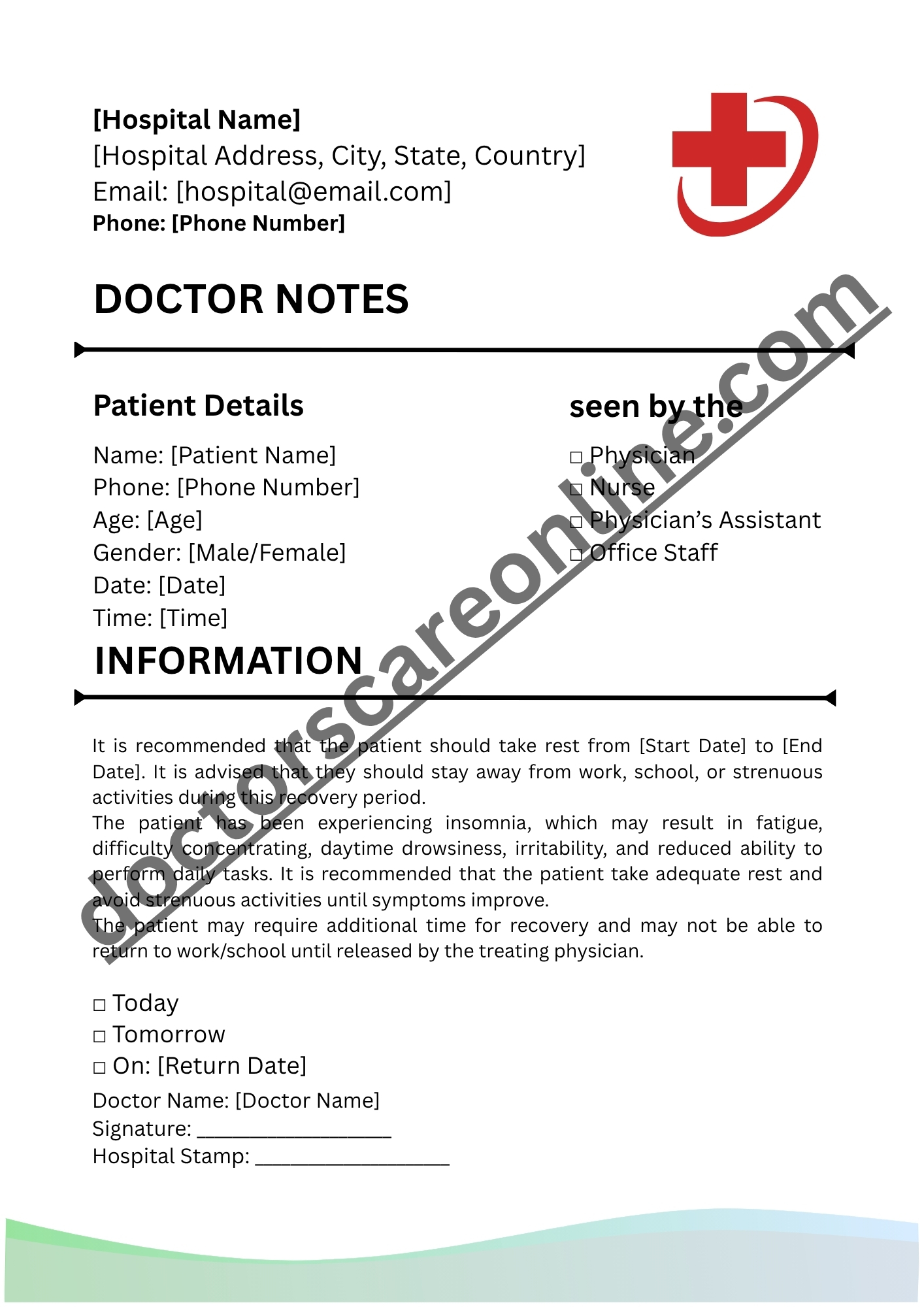
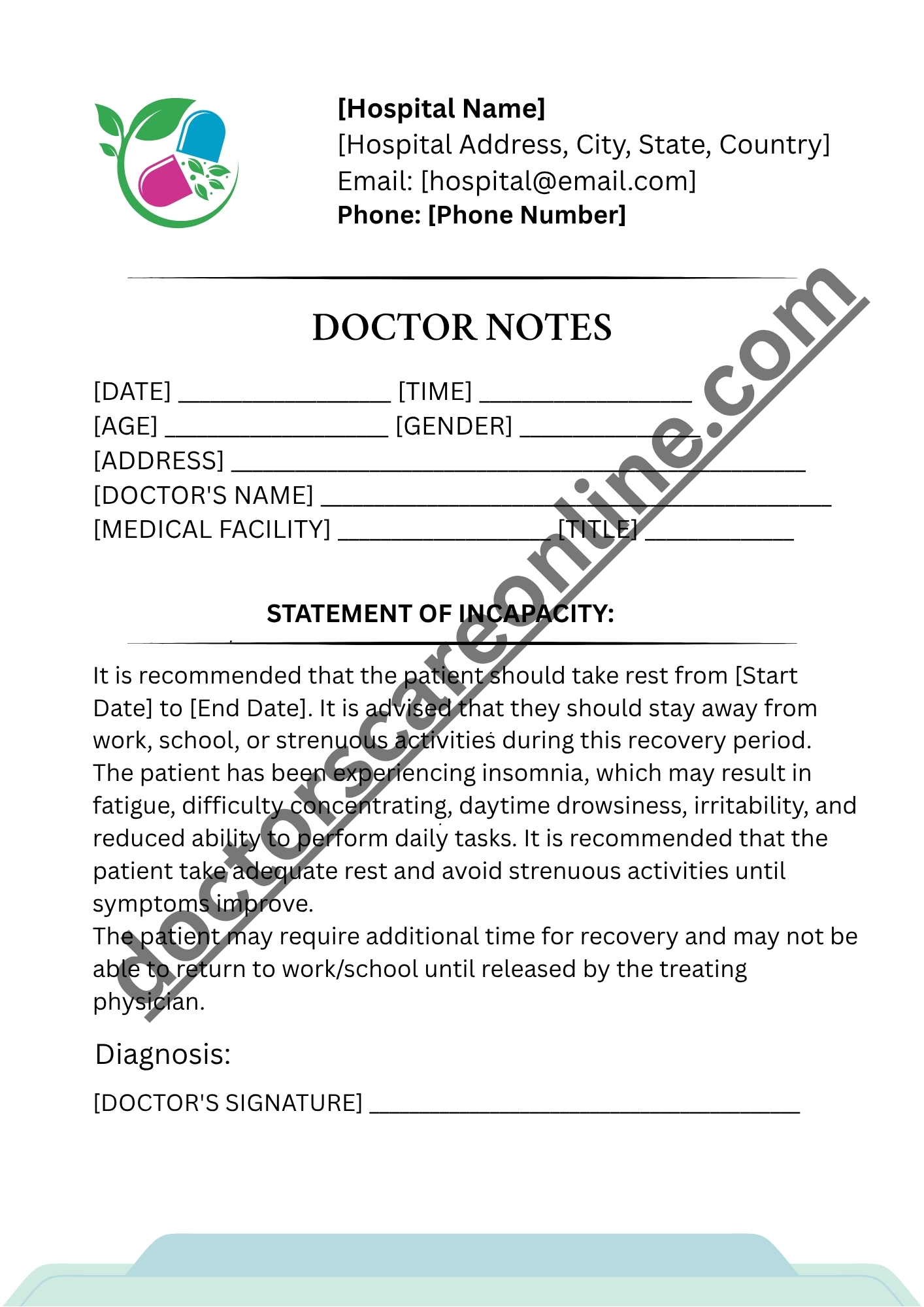
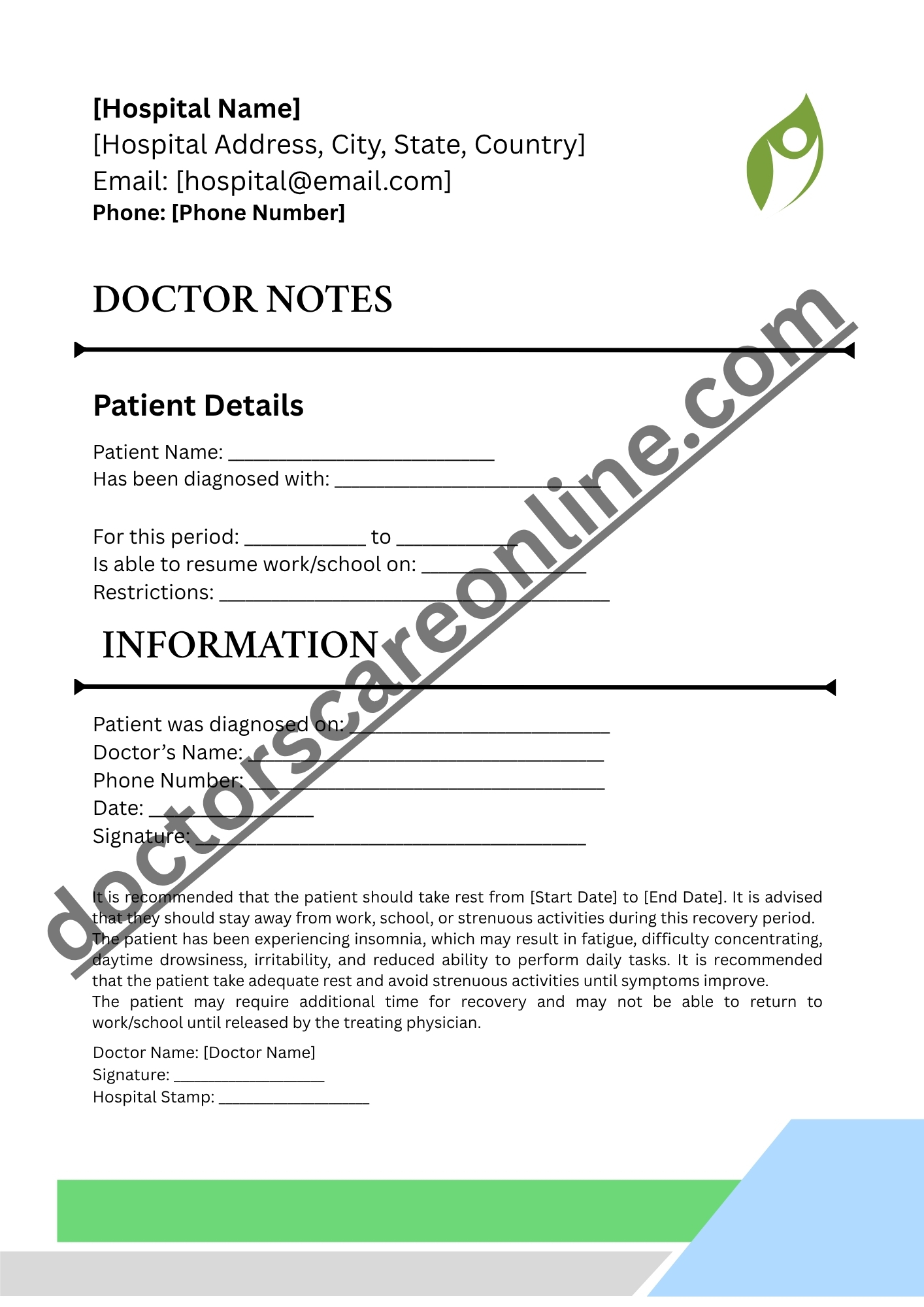
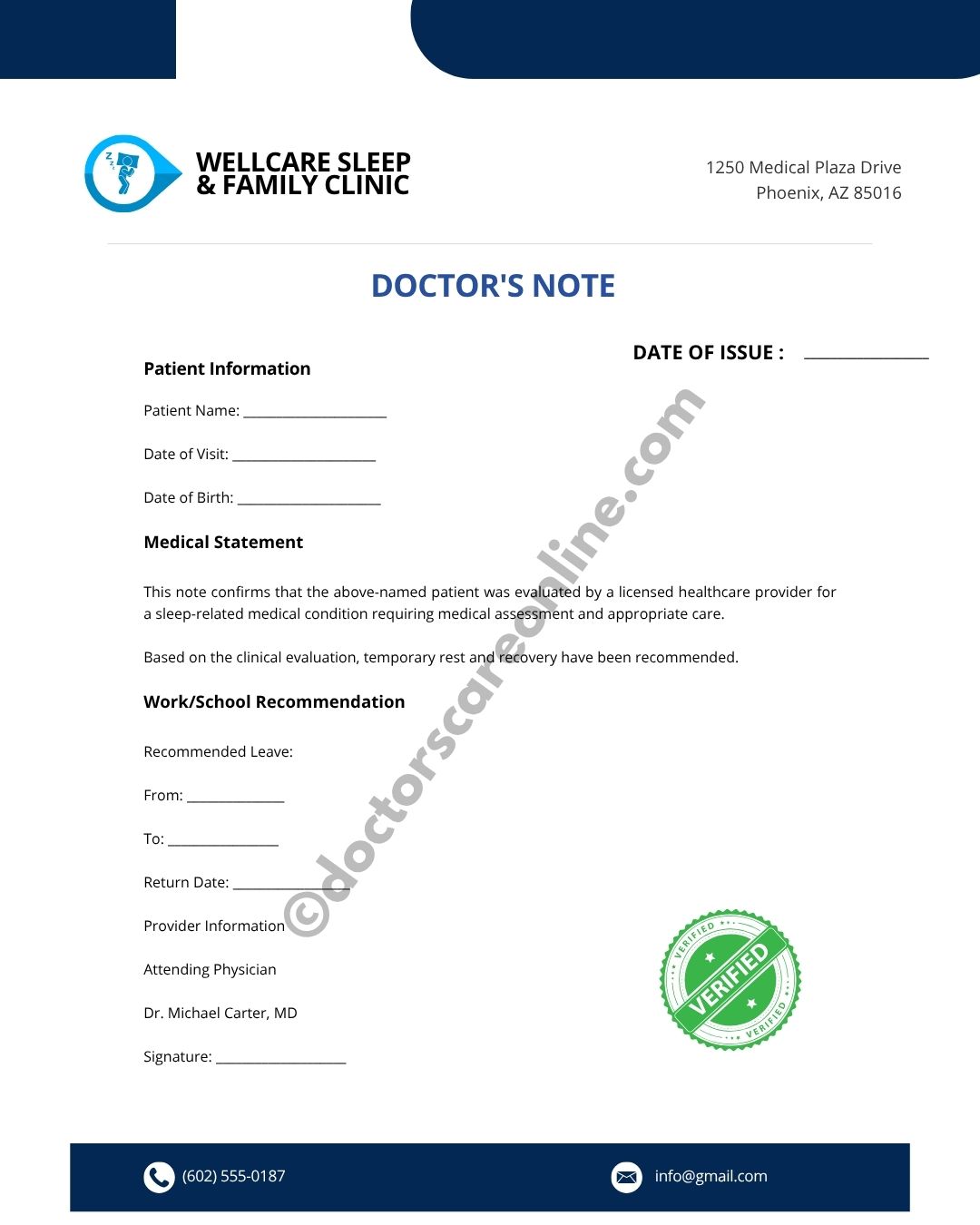
A doctor’s note for insomnia is a medical document provided by a licensed healthcare professional after evaluating a patient’s sleep concerns. It confirms that insomnia or other sleep-related symptoms have affected the person’s ability to work, attend school, or perform daily activities. Depending on the medical evaluation, the provider may recommend rest, treatment, temporary work or school accommodations, follow-up care, or additional testing. The note typically includes only the information necessary for the requesting employer, school, or organization while protecting the patient’s medical privacy.
This note does not always reveal detailed medical information. In many cases, it only includes the necessary information required for an employer, school, or organization.
Can You Get a Doctor’s Note for Insomnia?
Yes, a doctor can provide a medical note for insomnia if they determine that your sleep problems are affecting your health or ability to complete regular responsibilities.
A healthcare provider may issue a note when insomnia causes problems such as:
- Extreme daytime tiredness
- Difficulty concentrating
- Reduced productivity
- Trouble staying awake during work or classes
- Increased stress or health concerns
The doctor may recommend rest, treatment, or workplace/school adjustments depending on your condition.
Types of Insomnia (Acute & Chronic)
Insomnia is generally divided into two main types based on how long the sleep problem lasts.
| Type | Description |
|---|---|
| Acute Insomnia | A short-term sleep problem that usually lasts from a few days to a few weeks. It is often triggered by stress, travel, illness, or major life changes and may improve once the cause is resolved. |
| Chronic Insomnia | A long-term sleep disorder that occurs at least three nights a week for three months or longer. It may be linked to medical conditions, mental health concerns, medications, or unhealthy sleep habits and often requires professional treatment. |
Common Symptoms of Insomnia
People with insomnia may experience more than just difficulty sleeping. The condition can affect energy levels, concentration, and overall well-being. Common symptoms include:
- Trouble falling asleep even when feeling tired
- Waking up frequently during the night
- Waking up too early and being unable to fall back asleep
- Feeling tired or unrefreshed after sleeping
- Daytime sleepiness or fatigue
- Difficulty focusing or remembering things
- Irritability, mood changes, or increased stress
- Reduced productivity at work or school
- Frequent headaches or lack of energy during the day
Common Causes of Insomnia
Insomnia can develop for many different reasons, ranging from temporary lifestyle changes to ongoing medical conditions. Some of the most common causes include:
- High stress or anxiety
- Depression or other mental health conditions
- Irregular sleep schedules or shift work
- Excessive caffeine, nicotine, or alcohol consumption
- Poor sleep habits, such as using electronic devices before bed
- Chronic pain or other medical conditions
- Certain prescription or over-the-counter medications
- Jet lag or frequent travel across time zones
- Hormonal changes, including pregnancy or menopause
- Sleep disorders such as sleep apnea or restless legs syndrome
These causes may occur individually or together, so identifying the underlying reason is an important step in finding the most effective treatment.
How to Get a Doctor’s Note for Insomnia?
Follow these steps to request documentation for sleep problems:
- Schedule a medical appointment
- Visit a primary care doctor, sleep specialist, or licensed healthcare provider.
- Explain your sleep issues
- Share how often you struggle to sleep and how it affects your daily routine.
- Complete a health evaluation
- The doctor may review your sleep habits, lifestyle, medications, and overall health.
- Receive medical guidance
- If insomnia is affecting your functioning, the provider may prepare a doctor’s note with recommendations.
How Do Doctors Diagnose Insomnia?
Doctors diagnose insomnia by understanding your sleep patterns and overall health. They may ask about:
- How long it takes you to fall asleep
- How often you wake up during the night
- How many hours you sleep
- Daytime tiredness or mood changes
- Stress levels and lifestyle habits
In some cases, doctors may suggest a sleep diary or additional testing to identify possible causes.
What Information Is Included in an Insomnia Doctor’s Note?
A typical insomnia medical note may include:
| Information | Details |
|---|---|
| Patient details | Name and basic identification information |
| Medical confirmation | Statement that the patient was evaluated |
| Recommended care | Rest, treatment, or follow-up instructions |
| Restrictions (if needed) | Temporary work or school recommendations |
| Provider details | Doctor’s signature and date |
Doctors usually include only necessary medical information while maintaining patient privacy.
How Long Is a Doctor’s Note for Insomnia Valid?
The validity of an insomnia doctor’s note depends on the purpose and the organization requesting it.
| Purpose | Typical Validity | Additional Information |
|---|---|---|
| Workplace Leave | 1–3 days for mild insomnia, or as recommended by the doctor | Employers usually accept the note for the dates mentioned by the healthcare provider. |
| Extended Medical Leave | Several days to a few weeks, depending on the severity | A follow-up evaluation or updated doctor’s note may be required if symptoms continue. |
| School or College Absence | For the approved absence period | Schools generally accept the note for the dates listed by the doctor and according to attendance policies. |
| Return-to-Work Documentation | Valid until the employee is medically cleared to return, if requested | Some employers may require a return-to-work note after an extended absence. |
| Workplace Accommodations | May remain valid for the period specified by the doctor | Updated documentation may be needed if accommodations are required for a longer time. |
A doctor may recommend follow-up appointments if insomnia lasts for a longer period.
Home Remedies and Sleep Hygiene Tips
Healthy sleep habits can help improve sleep quality and support medical treatment for insomnia.
- Go to bed and wake up at the same time every day.
- Keep your bedroom quiet, dark, and comfortably cool.
- Avoid caffeine, nicotine, and alcohol close to bedtime.
- Limit screen time at least 30–60 minutes before sleeping.
- Exercise regularly, but avoid intense workouts late at night.
- Eat light meals in the evening and avoid heavy snacks before bed.
- Practice relaxation techniques such as deep breathing or meditation.
- Use your bed only for sleeping to help your brain associate it with rest.
- Avoid long daytime naps, especially in the afternoon.
- Follow your doctor’s treatment plan if insomnia continues.
Can Insomnia Be a Reason to Miss Work or School?
Severe insomnia can affect a person’s ability to safely and effectively perform daily activities. Lack of proper sleep may lead to:
- Poor concentration
- Slow reaction time
- Low energy levels
- Difficulty completing tasks
If sleep problems significantly affect your functioning, discussing the situation with a healthcare provider can help determine the right support.
What Should You Tell Your Doctor About Sleep Problems?
Before your appointment, prepare details about your sleep routine, including:
- When your sleep problems started
- Your average sleep duration
- How frequently you wake up at night
- Your daytime symptoms
- Any stress, lifestyle changes, or medications
Clear information helps doctors understand the severity of your insomnia.
Treatment Options for Insomnia
Treatment depends on the cause and severity of insomnia. Common approaches include:
Cognitive Behavioral Therapy for Insomnia (CBT-I)
- Helps improve unhealthy sleep habits
- Teaches relaxation and sleep management techniques
Lifestyle Changes
- Maintaining a consistent bedtime
- Creating a comfortable sleep environment
- Reducing screen exposure before sleeping
Medical Treatment
- Doctors may recommend medication in certain cases after evaluation.
Home Remedies to Improve Sleep Quality
Some healthy sleep habits that may support better rest include:
- Following the same sleep schedule every day
- Avoiding caffeine close to bedtime
- Limiting phone and computer use at night
- Practicing relaxation exercises
- Keeping the bedroom dark and quiet
Workplace Accommodations for Insomnia
People experiencing ongoing insomnia may discuss possible adjustments with their employer, such as:
- Modified work schedules
- Additional breaks when appropriate
- Temporary changes in duties
Medical documentation may help support these requests when needed.
How Much Does an Insomnia Doctor’s Note Cost?
The cost depends on where you receive care.
Factors that may affect the price include:
- Clinic consultation fees
- Online healthcare service charges
- Insurance coverage
- Additional medical evaluations
It is best to check with the healthcare provider before booking an appointment.
Difference Between Insomnia and Sleep Deprivation
Although both can cause tiredness, they are not the same condition.
| Insomnia | Sleep Deprivation |
|---|---|
| Difficulty falling asleep or staying asleep despite having the opportunity to sleep. | Not getting enough sleep because of lifestyle, work, study, or personal choices. |
| Often related to medical, psychological, or sleep disorders. | Usually caused by staying awake intentionally or external responsibilities. |
| May continue for weeks or months without treatment. | Often improves after getting adequate sleep. |
| Frequently requires medical evaluation if symptoms persist. | Usually resolves by restoring a healthy sleep schedule. |
Possible Complications of Untreated Insomnia
Without proper treatment, chronic insomnia may lead to long-term physical, emotional, and cognitive health problems.
|
Possible Complication |
Description |
|
Persistent Fatigue |
Ongoing daytime tiredness and lack of energy |
|
Poor Concentration |
Difficulty focusing, learning, and remembering information |
|
Mood Disorders |
Increased risk of anxiety, depression, and irritability |
|
Workplace or School Performance |
Reduced productivity and increased mistakes |
|
Driving Accidents |
Slower reaction times caused by sleep deprivation |
|
High Blood Pressure |
Long-term poor sleep may contribute to hypertension |
|
Heart Disease |
Chronic sleep loss has been associated with cardiovascular problems |
|
Type 2 Diabetes |
Poor sleep may affect blood sugar regulation over time |
|
Weakened Immune System |
Increased susceptibility to common illnesses |
| Reduced Quality of Life |
Difficulty maintaining daily activities and relationships |
Early evaluation and appropriate treatment can help reduce these risks and improve long-term sleep health.
FAQs
Related Post-



Reviews
There are no reviews yet.