
High blood pressure, also known as hypertension, is a common health condition that affects how strongly blood flows against the walls of the arteries. While many people manage high blood pressure with medication and lifestyle changes, there are situations where elevated blood pressure levels can make it difficult or unsafe to continue normal work, school, or daily activities.
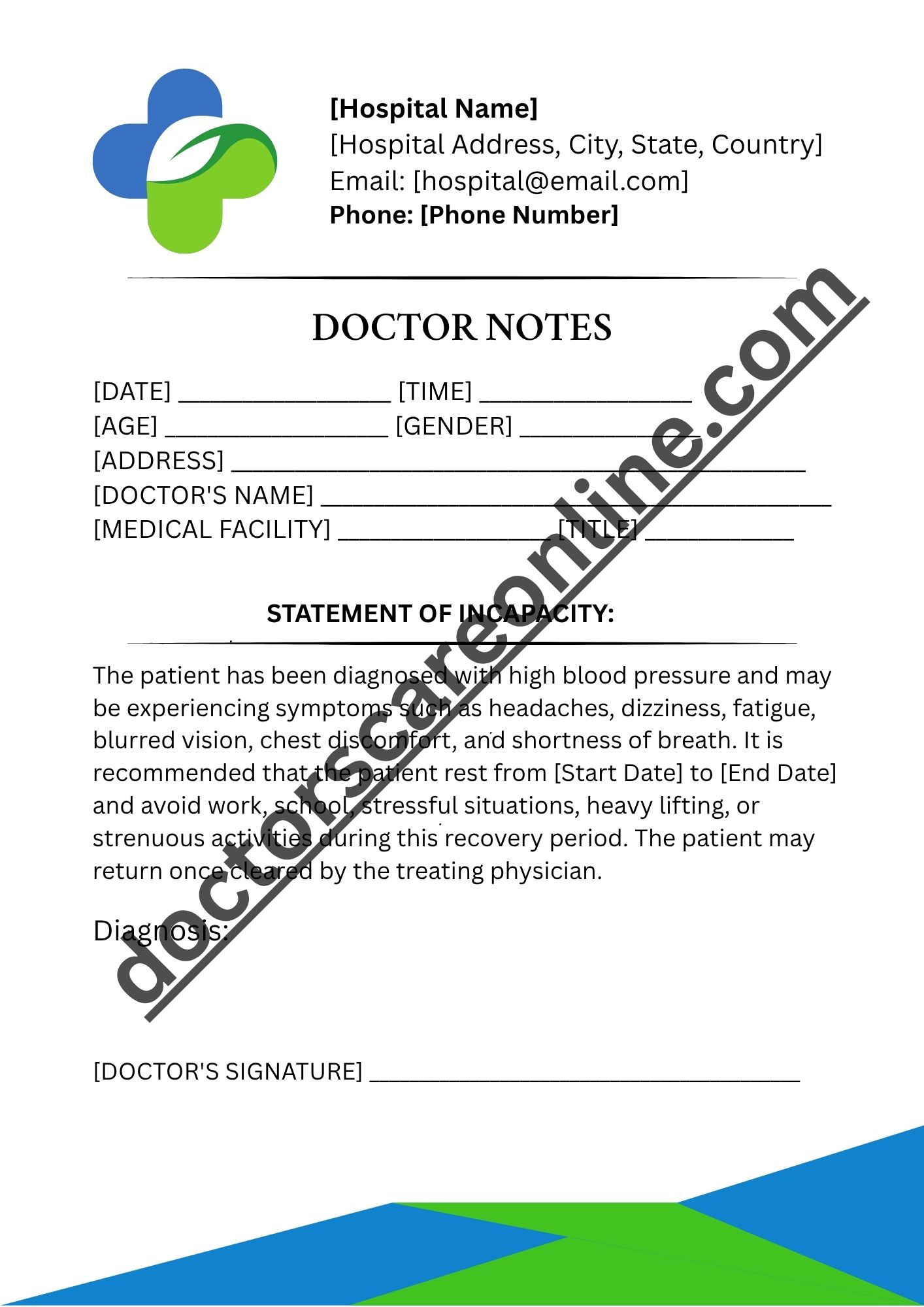
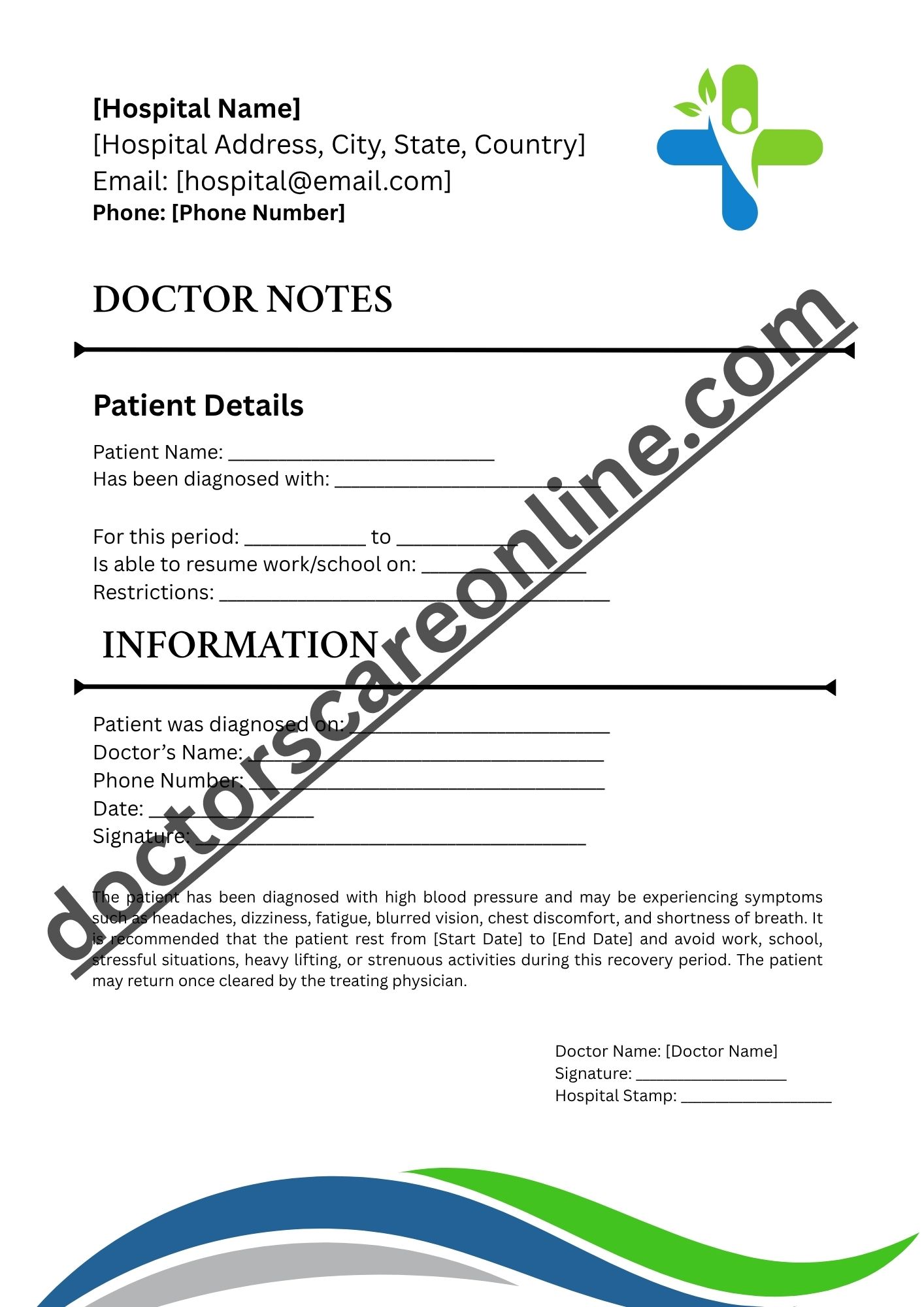
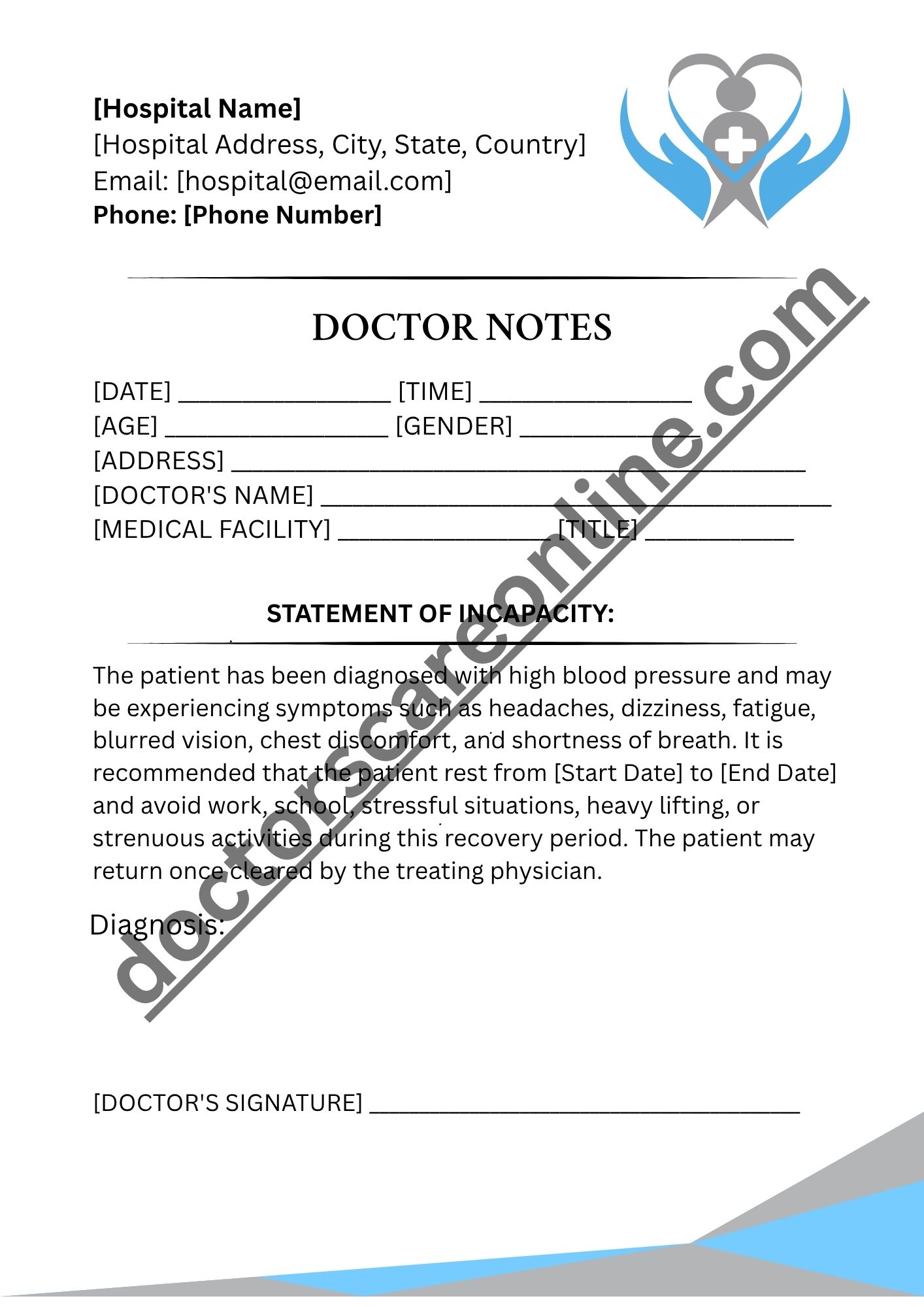
A Doctor’s Note for High Blood Pressure is a medical document provided by a licensed healthcare professional after evaluating a person’s condition. It may confirm that a person needs time away from work or school, requires medical monitoring, or needs temporary restrictions while their blood pressure is being controlled.
People often search for a doctor’s note when they experience symptoms related to uncontrolled blood pressure, need treatment adjustments, have been advised to rest, or require official documentation for an absence. The need for a medical note depends on the severity of the condition, symptoms, job responsibilities, and the healthcare provider’s assessment.
Can High Blood Pressure Be a Valid Reason for a Doctor’s Note?
Yes, high blood pressure can be a valid reason for receiving a doctor’s note when it affects your ability to safely perform normal activities.
However, having hypertension does not automatically mean a person needs time away from work or school. Many people with controlled blood pressure continue their regular routines without restrictions.
A healthcare provider may recommend a medical note when:
Blood Pressure Levels Are Very High
Extremely elevated blood pressure readings may require immediate medical attention, monitoring, medication changes, or temporary rest.
Symptoms Affect Daily Activities
If symptoms such as dizziness, severe headaches, fatigue, or vision problems make it difficult to function safely, a doctor may recommend staying home.
Medication Changes Are Needed
Starting a new blood pressure medication or changing doses can sometimes cause side effects. A doctor may suggest temporary adjustments until your body adapts.
Medical Follow-Up Is Required
Some patients need additional appointments, testing, or monitoring to determine why their blood pressure is uncontrolled.
The Job Involves Physical Risk
People working in physically demanding or safety-sensitive jobs may require temporary restrictions if uncontrolled blood pressure creates safety concerns.
Symptoms That May Require Medical Leave
High blood pressure is often called a “silent condition” because many people do not experience noticeable symptoms. However, when blood pressure becomes significantly elevated, some individuals may develop symptoms that affect their ability to work or attend school.
Possible symptoms include:
Severe Headaches
A sudden or intense headache may occur with very high blood pressure levels and should be medically evaluated, especially if it is unusual or severe.
Dizziness or Lightheadedness
Feeling dizzy or unstable can make certain activities unsafe, especially jobs involving driving, machinery, heights, or physical labor.
Blurred Vision
Changes in vision may occur when blood pressure affects blood vessels in the eyes or during severe blood pressure spikes.
Chest Discomfort
Chest pain or pressure requires medical attention because it may indicate a serious cardiovascular issue.
Shortness of Breath
Difficulty breathing may occur when high blood pressure affects heart function or is associated with another medical problem.
Extreme Fatigue
Uncontrolled blood pressure or medication side effects can contribute to tiredness and difficulty concentrating.
Difficulty Concentrating
Some people may experience trouble focusing, which can affect work performance or academic activities.
It is important to remember that these symptoms can have many causes. A healthcare provider can determine whether they are related to blood pressure or another condition.
Situations When a Doctor May Recommend Staying Home
A doctor may recommend staying home from work or school when high blood pressure affects a person’s health, safety, or ability to perform normal activities. Common situations include:
- Very High Blood Pressure Readings
- When blood pressure reaches dangerously high levels and requires medical evaluation or monitoring.
- Hypertensive Crisis or Emergency
- When extremely elevated blood pressure increases the risk of serious complications and immediate treatment is needed.
- Severe Symptoms Related to High Blood Pressure
- When symptoms such as intense headaches, dizziness, blurred vision, chest discomfort, or shortness of breath make daily activities difficult.
- After Emergency Room Treatment
- When a person receives urgent care for uncontrolled blood pressure and needs recovery time before returning to normal activities.
- Medication Changes or New Treatment
- When starting or adjusting blood pressure medications that may cause temporary side effects like fatigue, dizziness, or weakness.
- Need for Medical Tests or Monitoring
- When a person requires blood tests, heart evaluations, follow-up appointments, or regular blood pressure checks.
- Difficulty Performing Job Responsibilities Safely
- When symptoms or unstable blood pressure make it unsafe to complete work duties, especially in physically demanding jobs.
- Recovery After Hospitalization
- When additional rest and monitoring are needed after being admitted for blood pressure-related concerns.
- Increased Risk Due to Physical Stress
- When heavy lifting, strenuous activities, or high-stress situations may worsen the condition.
- Uncontrolled Blood Pressure Despite Treatment
- When blood pressure remains unstable and requires further medical management before returning to regular routines.
What Information Is Included in a Doctor’s Note for High Blood Pressure?
A doctor’s note for high blood pressure may include:
- Patient’s name and basic identification details
- Date of the medical evaluation or consultation
- Confirmation that the patient was examined by a licensed healthcare provider
- General medical recommendation related to high blood pressure
- Recent blood pressure readings (if required)
- Symptoms or health concerns affecting daily activities
- Recommended time away from work, school, or regular duties
- Specific dates for medical leave or expected return
- Temporary work or activity restrictions, such as avoiding heavy physical tasks
- Need for follow-up appointments or additional medical monitoring
- Medication adjustment or treatment-related recommendations (if applicable)
- Return-to-work or return-to-school instructions
- Doctor’s name, clinic details, and professional credentials
- Healthcare provider’s signature or electronic verification
- Statement protecting patient privacy by limiting unnecessary medical details
How to Get a Doctor’s Note for High Blood Pressure
Getting a doctor’s note for high blood pressure requires a medical evaluation to determine whether your condition affects your ability to work, attend school, or perform daily activities. A healthcare provider will decide whether documentation or time away is medically necessary.
Follow these steps to request a doctor’s note:
- Schedule an Appointment With a Healthcare Provider
- Visit your primary care doctor, cardiologist, urgent care clinic, or use an approved telehealth service for evaluation.
- Explain Your Symptoms Clearly
- Describe any issues you are experiencing, such as headaches, dizziness, fatigue, chest discomfort, vision changes, or difficulty concentrating.
- Share Your Blood Pressure History
- Inform the doctor about recent blood pressure readings, medications you take, previous diagnoses, and any changes in your health.
- Complete Necessary Medical Checks
- The provider may check your blood pressure, review your medical history, and recommend tests if needed.
- Discuss How Your Condition Affects Your Routine
- Explain whether high blood pressure is preventing you from working, attending classes, driving, or completing normal responsibilities.
- Ask for Documentation if Medically Appropriate
- If the doctor determines that you need rest, restrictions, or medical leave, they can provide a written note.
- Follow Your Treatment Plan
- Taking prescribed medications, attending follow-up visits, and following medical advice can support your recovery and future health.
Can an Emergency Room Provide a Doctor’s Note for High Blood Pressure?
Yes, an emergency room doctor may provide medical documentation if you are treated for high blood pressure-related concerns.
An emergency department note may be provided when:
- Blood pressure levels are extremely elevated and require urgent care.
- You experience symptoms that need immediate medical attention.
- You receive medication or treatment for a blood pressure emergency.
- Doctors recommend rest or follow-up care after evaluation.
- Hospital observation or admission is required.
The note may include:
- Date of emergency evaluation
- Recommended recovery period
- Restrictions on activities
- Follow-up instructions
However, an emergency room visit does not automatically guarantee a specific amount of leave. The duration depends on your medical condition and the doctor’s assessment.
Returning to Work After High Blood Pressure
Before returning to work, a healthcare provider may consider whether your blood pressure is stable and whether you can safely perform your regular duties.
A doctor may evaluate:
- Whether blood pressure levels have improved
- Whether symptoms have reduced or disappeared
- Whether medications are working properly
- Whether you can safely complete job responsibilities
- Whether any temporary restrictions are needed
You may be advised to:
- Return gradually to normal activities
- Continue monitoring blood pressure
- Follow medication schedules
- Attend follow-up appointments
- Maintain healthy lifestyle habits
Tests Your Doctor May Perform for High Blood Pressure
When you visit a healthcare provider for high blood pressure concerns, the doctor may perform different tests to understand your condition, identify possible causes, and determine the right treatment approach.
Common evaluations may include:
- Blood Pressure Measurement
- The doctor checks your blood pressure using a medical device to determine whether your levels are within a healthy range or require further evaluation.
- Repeated Blood Pressure Checks
- Multiple readings may be taken at different times to confirm whether high blood pressure is consistent or caused by temporary factors such as stress.
- Home Blood Pressure Monitoring
- Your doctor may recommend checking your blood pressure at home regularly to track changes over time.
- Blood Tests
- Blood tests may be performed to check:
- Kidney function
- Cholesterol levels
- Blood sugar levels
- Other health factors that may affect blood pressure
- Blood tests may be performed to check:
- Urine Tests
- A urine test may help identify kidney-related issues or other conditions linked with hypertension.
- Electrocardiogram (ECG/EKG)
- This test checks the heart’s electrical activity and may help identify heart-related effects of long-term high blood pressure.
- Echocardiogram
- An ultrasound of the heart may be recommended to examine heart structure and function when needed.
- Ambulatory Blood Pressure Monitoring
- A portable device may record blood pressure readings throughout the day and night to provide a more accurate picture.
- Additional Health Evaluations
- Depending on your symptoms and medical history, your doctor may recommend other tests to check for complications or underlying causes.
Treatment Options for High Blood Pressure
Treatment for high blood pressure depends on how high your readings are, your overall health, and your risk of complications. The goal is to keep blood pressure controlled and reduce strain on the heart, blood vessels, and other organs.
Lifestyle Changes
Doctors often recommend healthy lifestyle adjustments, including:
- Reducing Salt Intake
- Lowering sodium consumption may help improve blood pressure levels.
- Following a Balanced Diet
- Eating more fruits, vegetables, whole grains, and heart-healthy foods can support better blood pressure control.
- Maintaining a Healthy Weight
- Managing body weight can reduce pressure on the cardiovascular system.
- Regular Physical Activity
- Appropriate exercise can help improve heart health and blood pressure regulation.
- Managing Stress
- Relaxation techniques, proper rest, and stress management strategies may help prevent blood pressure spikes.
- Limiting Alcohol Consumption
- Reducing alcohol intake may support healthier blood pressure levels.
- Avoiding Smoking
- Smoking can increase cardiovascular risks and may worsen blood pressure problems.
Medications for High Blood Pressure
When lifestyle changes are not enough, doctors may prescribe medications to help control blood pressure.
Common types of blood pressure medicines include:
- Medicines that help relax blood vessels
- Medicines that reduce extra fluid in the body
- Medicines that slow heart rate when appropriate
- Medicines that reduce the workload on the heart
Doctors may adjust medications based on:
- Blood pressure response
- Side effects
- Other health conditions
- Long-term treatment goals
Patients should not stop or change blood pressure medication without consulting their healthcare provider.
Managing High Blood Pressure While Working
Many people with hypertension continue working successfully by following proper management strategies. Maintaining healthy habits during work hours can help prevent blood pressure problems.
Helpful practices include:
- Taking prescribed medications on schedule
- Monitoring blood pressure regularly
- Staying hydrated throughout the day
- Taking short breaks when needed
- Avoiding excessive workplace stress
- Choosing healthier meal options
- Limiting caffeine intake too much
- Getting enough sleep after work hours
- Following medical advice consistently
For people with physically demanding jobs, discussing possible workplace adjustments with a doctor may help ensure safety.
When High Blood Pressure Becomes a Medical Emergency
Although many cases of high blood pressure can be managed with treatment, some situations require immediate medical attention.
Seek emergency care if high blood pressure is accompanied by:
- Severe chest pain or pressure
- Difficulty breathing
- Sudden weakness or numbness
- Trouble speaking or understanding speech
- Severe headache unlike usual headaches
- Sudden vision problems
- Confusion or extreme drowsiness
- Fainting
- Seizures
These symptoms may indicate a serious complication and should not be ignored.
Common Mistakes People Make While Managing High Blood Pressure
Avoiding common mistakes can help improve blood pressure control and reduce health risks.
Common mistakes include:
- Ignoring High Blood Pressure Readings
- Assuming the condition will improve without proper monitoring or treatment.
- Skipping Medications
- Missing doses can make blood pressure difficult to control.
- Stopping Medication Without Medical Advice
- Suddenly discontinuing treatment may cause blood pressure levels to rise.
- Not Checking Blood Pressure Regularly
- Without monitoring, changes may go unnoticed.
- Ignoring Warning Symptoms
- Delaying medical care when experiencing serious symptoms can increase risks.
- Following Unverified Health Advice
- Using remedies or supplements without discussing them with a healthcare provider.
- Avoiding Follow-Up Appointments
- Regular checkups help doctors monitor progress and adjust treatment.
- Maintaining Unhealthy Habits
- Excess salt intake, smoking, poor sleep, and high stress can affect blood pressure control.
FAQs
1. Can I Get a Doctor’s Note for High Blood Pressure?
Yes, you may receive a doctor’s note if a healthcare provider determines that your blood pressure condition affects your ability to work, attend school, or perform normal activities.
2. Is High Blood Pressure a Valid Reason to Miss Work?
High blood pressure may be a valid reason to miss work when symptoms are severe, treatment requires rest, or a doctor recommends medical leave.
3. How Long Can a Doctor Excuse Me for Hypertension?
The duration depends on your blood pressure levels, symptoms, treatment needs, and recovery progress. A doctor decides the appropriate time based on your condition.
4. Will My Doctor’s Note Mention High Blood Pressure?
A doctor’s note may mention a medical condition or provide work restrictions, but many notes include only necessary information to protect patient privacy.
5. Can Urgent Care Provide a Doctor’s Note for High Blood Pressure?
Yes, urgent care providers may provide documentation after evaluating your symptoms and determining that medical leave or restrictions are appropriate.
Related Post-
Reviews
There are no reviews yet.