
Yes, a dentist can provide written documentation related to dental care, such as confirmation of an appointment, treatment, or a recommended period away from work or school. However, whether the document is accepted as a “doctor’s note” depends on the purpose of the note, the dentist’s professional scope, and the requirements of the employer, school, or other organization requesting it.
A dental professional can document a condition or treatment that falls within dentistry. For example, a dentist may provide documentation following tooth extraction, oral surgery, treatment for a dental infection, or another procedure that affects a person’s ability to attend work or school.
Related Doctor Note :—
You can also visit:
What Is a Dentist’s Note?
A dentist’s note is written documentation from a dental professional that confirms a patient’s dental visit, treatment, or clinically appropriate activity restrictions.
Depending on the situation, it may be called a:
- Dental excuse note
- Dentist work note
- Dental appointment verification
- Dental absence note
- Dental treatment letter
- Dental medical certificate
- Dental school excuse
- Return-to-work dental note
The wording and level of detail can vary according to the reason for the documentation.
For a routine appointment, the document may simply confirm that the patient attended a dental office at a particular date and time. Following a more involved procedure, the dentist may document temporary restrictions or a recommended recovery period.
The American Dental Association emphasizes that dental records should accurately document diagnostic information, treatment, and patient-related communications.
When Can a Dentist Provide a Work Note?
A dentist may provide employment documentation when a dental appointment, procedure, or oral-health condition affects a patient’s ability to work.
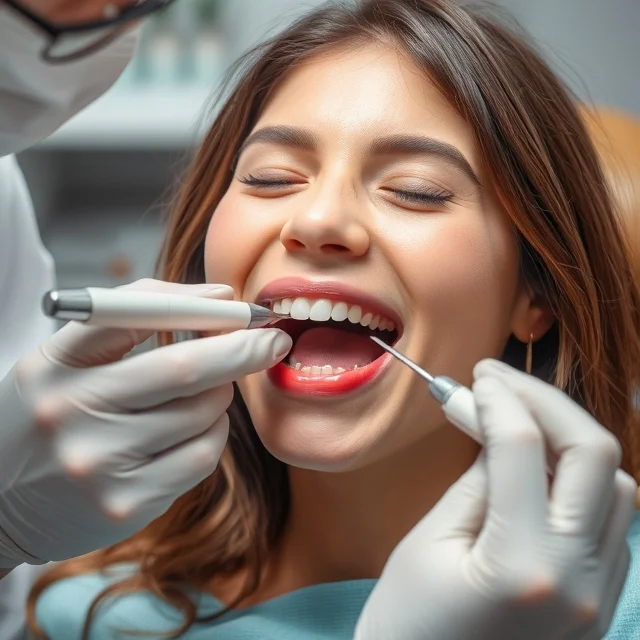
Examples may include:
- Tooth extraction
- Wisdom tooth removal
- Dental surgery
- Treatment of a significant dental infection
- Implant-related procedures
- Oral injuries
- Procedures involving sedation
- Other dental treatment requiring temporary recovery
The document may confirm that the patient was evaluated or treated and, when clinically appropriate, indicate a period during which the patient should remain away from work or follow specific restrictions.
For example, a person recovering from oral surgery may temporarily need to avoid strenuous activity. The dentist can determine whether such restrictions are appropriate based on the treatment and the patient’s individual circumstances.
Whether an employer accepts the documentation is a separate question. Employers may have their own attendance, verification, and leave policies.
Can a Dentist Write a Note for School?
Yes, dental offices may provide documentation for a student’s dental appointment or treatment.
A school excuse may be relevant when a student:
- Missed class because of a dental appointment
- Required dental treatment during school hours
- Needed recovery time following dental surgery
- Has temporary restrictions affecting physical education or sports
- Needs documentation following emergency dental treatment
For a short appointment, the document may only verify attendance at the dental office. If a procedure results in a need for additional recovery time, the treating dentist may provide appropriate instructions based on the patient’s condition.
Schools and colleges determine how absences are classified, so a dental note does not automatically guarantee that an absence will be considered excused.
What Dental Treatments May Require Time Away From Work or School?
The amount of time someone needs away from normal activities varies significantly.
A routine cleaning or examination usually has different recovery considerations from a surgical dental procedure. More involved treatment can sometimes result in swelling, discomfort, medication effects, dietary restrictions, or activity limitations.
Potential examples include:
| Dental situation | Possible documentation |
|---|---|
| Routine examination | Appointment confirmation |
| Dental cleaning | Attendance verification |
| Filling | Appointment documentation |
| Tooth extraction | Treatment and recovery documentation |
| Wisdom tooth removal | Recovery or activity restrictions |
| Dental implant procedure | Post-treatment documentation |
| Oral surgery | Recovery recommendations |
| Dental infection treatment | Documentation related to evaluated dental care |
| Treatment involving sedation | Appropriate post-treatment restrictions |
These examples do not establish a standard number of days off. Recovery should be determined by the treating dental professional according to the procedure and the patient’s circumstances.
What Information Does a Dentist’s Note Usually Include?
The contents depend on what the receiving organization requires.
A legitimate dental note may contain:
- Patient’s name
- Date of the dental visit
- Dental practice information
- Dentist’s name and professional credentials
- Confirmation of attendance or treatment
- Relevant dates for recommended absence, when clinically appropriate
- Return-to-work or return-to-school information, when applicable
- Temporary activity restrictions, if necessary
- Dentist’s signature or other appropriate authentication
The document generally does not need to disclose extensive clinical details to an employer or school simply to verify an absence.
Privacy requirements also matter. The ADA notes that applicable privacy laws can govern access to and disclosure of dental records.
Does a Dentist’s Note Count as a Medical Excuse?
It can serve as supporting documentation when the absence is connected to dental care, but acceptance is determined by the organization receiving it.
There is an important difference between documenting a dental appointment and certifying an inability to work or attend school.
For example, an appointment confirmation establishes that the patient attended a dental office. A clinical work restriction, on the other hand, requires the dentist to determine that the patient’s dental condition or treatment warrants the restriction.
A dentist should only make statements supported by the patient’s evaluation and treatment.
Can a Dentist Give a Note for Wisdom Teeth Removal?
Wisdom teeth removal is one situation in which documentation may be relevant because the procedure can involve oral surgery and a period of recovery.
Depending on the patient’s circumstances, a treating dentist or oral surgeon may provide documentation covering:
- The date of the procedure
- Confirmation that treatment occurred
- Recommended recovery time
- Temporary activity limitations
- Return-to-work or return-to-school guidance
The actual recovery period is not identical for every patient. The treating professional should determine appropriate restrictions rather than using a predetermined number of days for everyone.
Can a Dentist Provide a Note After a Dental Emergency?
A dental professional may document an emergency dental evaluation or treatment when the patient was actually seen.
Dental emergencies can include severe tooth pain, facial or oral swelling, dental trauma, or other urgent oral-health problems requiring professional assessment.
The documentation may confirm the visit and, when clinically justified, describe any recommended limitations or follow-up.
If symptoms suggest a broader medical emergency—for example, difficulty breathing or rapidly increasing facial or neck swelling—emergency medical care may be more appropriate than relying on dental documentation alone.
Can You Get a Dentist’s Note for a Past Appointment?
This depends on the dental practice and its records.
A practice may be able to verify a previous visit when the appointment is documented in the patient’s dental record. However, documentation should accurately reflect what occurred and when it occurred.
The American Dental Association describes the dental record as an official record containing information such as diagnostic findings, treatment, and communications related to the patient’s care.
A dental office should not create documentation that falsely states that a patient received treatment or attended an appointment when no such event occurred.
What If an Employer or School Does Not Accept a Dentist’s Note?
First, check the organization’s documentation requirements.
Some workplaces or educational institutions may specify:
- Which healthcare professionals can provide documentation
- Whether appointment verification is sufficient
- Whether a specific form must be completed
- Whether dates of absence must be stated
- Whether additional documentation is required
- When the documentation must be submitted
If the note does not meet the organization’s requirements, contact the dental office and ask whether it can provide documentation that accurately reflects the visit and satisfies applicable requirements.
Acceptance ultimately belongs to the employer, school, insurer, or other requesting organization—not the dental practice.
Dentist’s Note vs. Doctor’s Note: What Is the Difference?
The primary difference is the healthcare professional’s scope of practice.
A dentist focuses on oral health and dental conditions. A physician or other medical clinician may evaluate a broader range of medical conditions depending on their license and professional scope.
For example:
- A dentist may document dental surgery.
- A dentist may document recovery following tooth extraction.
- A dentist may confirm attendance at a dental appointment.
- A physician may document a non-dental systemic illness.
- Another appropriately licensed healthcare professional may document conditions within their own scope.
The appropriate provider is generally the professional who evaluated or treated the condition requiring documentation.
How Can You Request a Dentist’s Note?
If you need documentation following dental treatment, contact the dental office where you were evaluated.
You can explain:
- Why you need the documentation.
- Whether it is for work, school, travel, insurance, or another purpose.
- The date of the dental appointment.
- The dates that need to be documented.
- Any specific requirements provided by your employer or school.
The dental practice can then determine what documentation it can appropriately provide based on the patient’s records and applicable professional requirements.
Can You Get a Dental-Related Medical Note Online?
Online healthcare can be useful in situations where a licensed clinician can appropriately evaluate the patient’s concern through a permitted telehealth process. However, a remote clinician should not be expected to document a dental condition that they have not evaluated or that falls outside their professional scope.
For a dental problem, an in-person dental examination may be necessary, particularly when the issue involves an examination of the teeth, gums, jaw, swelling, trauma, or a procedure.
If an online medical-note service is used, the note should be based on a genuine clinician-patient evaluation and should accurately reflect the clinician’s findings and professional scope.
A medical note should never be purchased or created simply to obtain an excuse for an absence without an appropriate clinical evaluation.
How to Make Sure a Dental Note Is Appropriate
Before submitting documentation, check three things:
1. The provider: Make sure the documentation comes from an appropriately licensed dental professional or another healthcare professional qualified to address the relevant condition.
2. The information: The dates, treatment, restrictions, and other statements should accurately reflect the patient’s actual care.
3. The recipient’s requirements: Review the employer’s, school’s, insurer’s, or organization’s rules before submitting the document.
This approach helps prevent problems caused by incomplete, inaccurate, or inappropriate documentation.
Privacy and Dental Documentation
Dental information can contain private health information, so unnecessary clinical details should not automatically be shared with an employer, school, or other third party.
The ADA explains that patients may have rights concerning access to and disclosure of dental records under applicable privacy requirements, including HIPAA where it applies. State laws can also impose additional requirements.
A dental absence document should therefore contain the information necessary for its intended purpose without unnecessarily revealing sensitive medical details.
Why Accurate Dental Documentation Matters
Professional documentation is more than a simple piece of paper. It creates a record connecting the statement to an actual healthcare encounter.
The ADA recommends accurate, organized dental records and emphasizes that documentation should reflect what occurred during patient care.
For patients, this means a dental note should be:
- Truthful
- Relevant to the dental encounter
- Issued by an appropriate professional
- Consistent with the patient’s records
- Appropriate for its intended recipient
- Submitted according to the recipient’s requirements
These principles are especially important when documentation is being used for employment, education, insurance, or leave-related purposes.
Frequently Asked Questions
1. Can a dentist write a note for jury duty?
A dentist may document a dental condition or treatment that affects the patient’s ability to attend a scheduled obligation, but whether that documentation is sufficient for jury duty depends on the applicable court’s requirements.
2. Can an orthodontist give an excuse note?
An orthodontist may be able to provide documentation related to orthodontic care within their professional scope. The organization receiving the note determines whether that documentation satisfies its attendance requirements.
3. Can a dental hygienist write a doctor’s note?
A dental hygienist’s authority to provide formal absence documentation depends on professional scope and applicable law. For a formal dental work or school excuse, patients should ask the treating dental practice which qualified professional can issue the required documentation.
4. Can a dentist excuse you from physical education?
A dentist may recommend temporary restrictions related to dental treatment when clinically appropriate. Whether those restrictions excuse a student from PE or sports is determined by the school’s policies and the documentation provided.
5. Can a dentist write a note for an insurance claim?
A dental professional may provide clinical documentation relevant to a dental insurance claim, but the insurer determines what supporting documents are required and whether the submitted information satisfies the claim requirements.
Medical Disclaimer: This article is for general educational and informational purposes only and does not constitute medical, dental, legal, or employment advice. A dentist or other qualified healthcare professional should evaluate individual dental concerns and determine whether documentation or activity restrictions are clinically appropriate. Requirements for medical or dental notes can vary by employer, school, insurer, jurisdiction, and professional scope. Always check the specific requirements of the organization requesting the documentation. If you experience a serious dental or medical emergency, seek appropriate urgent or emergency care rather than relying on an online article or medical-note service.