

Printable Doctors Note for Diarrhea
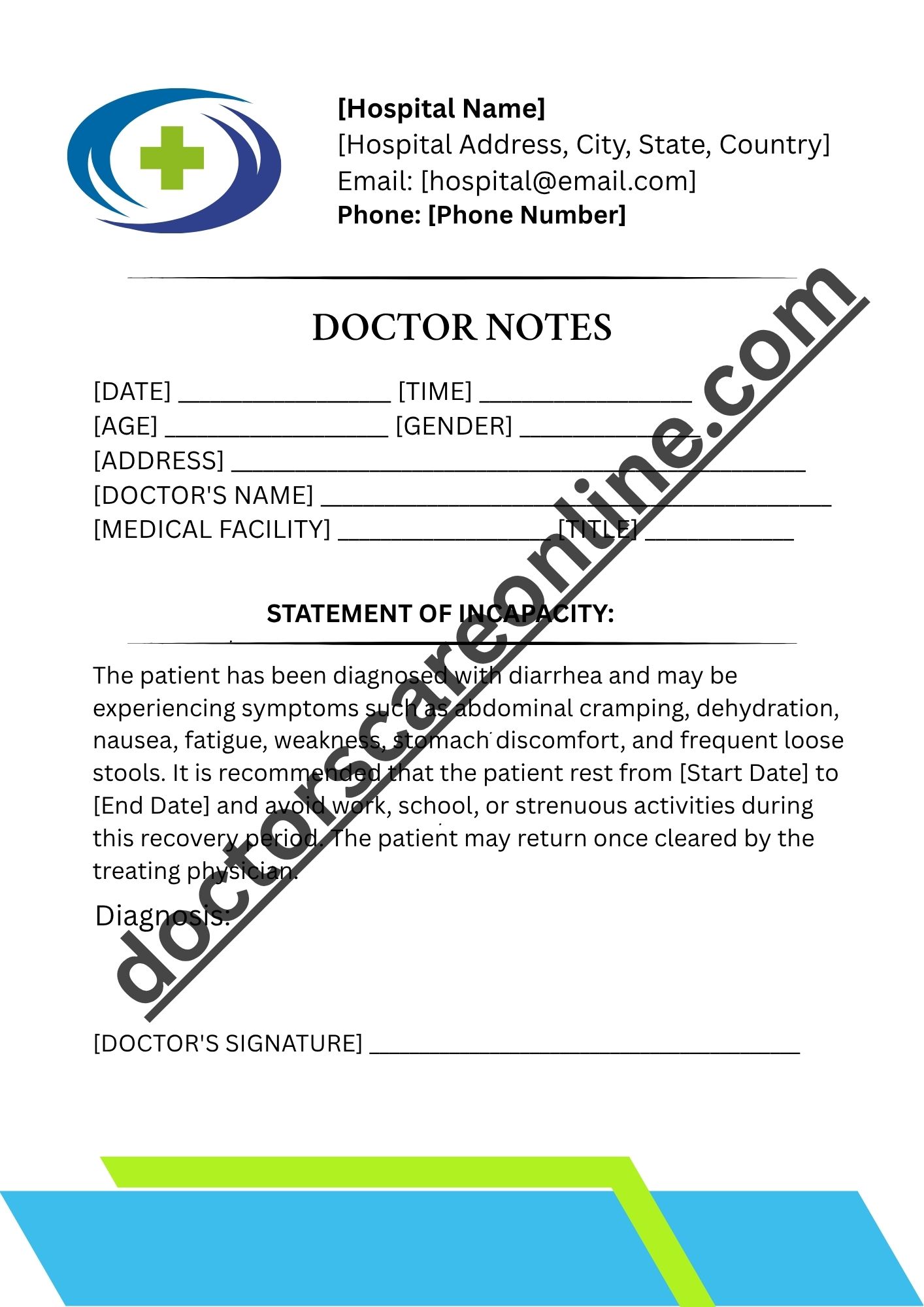
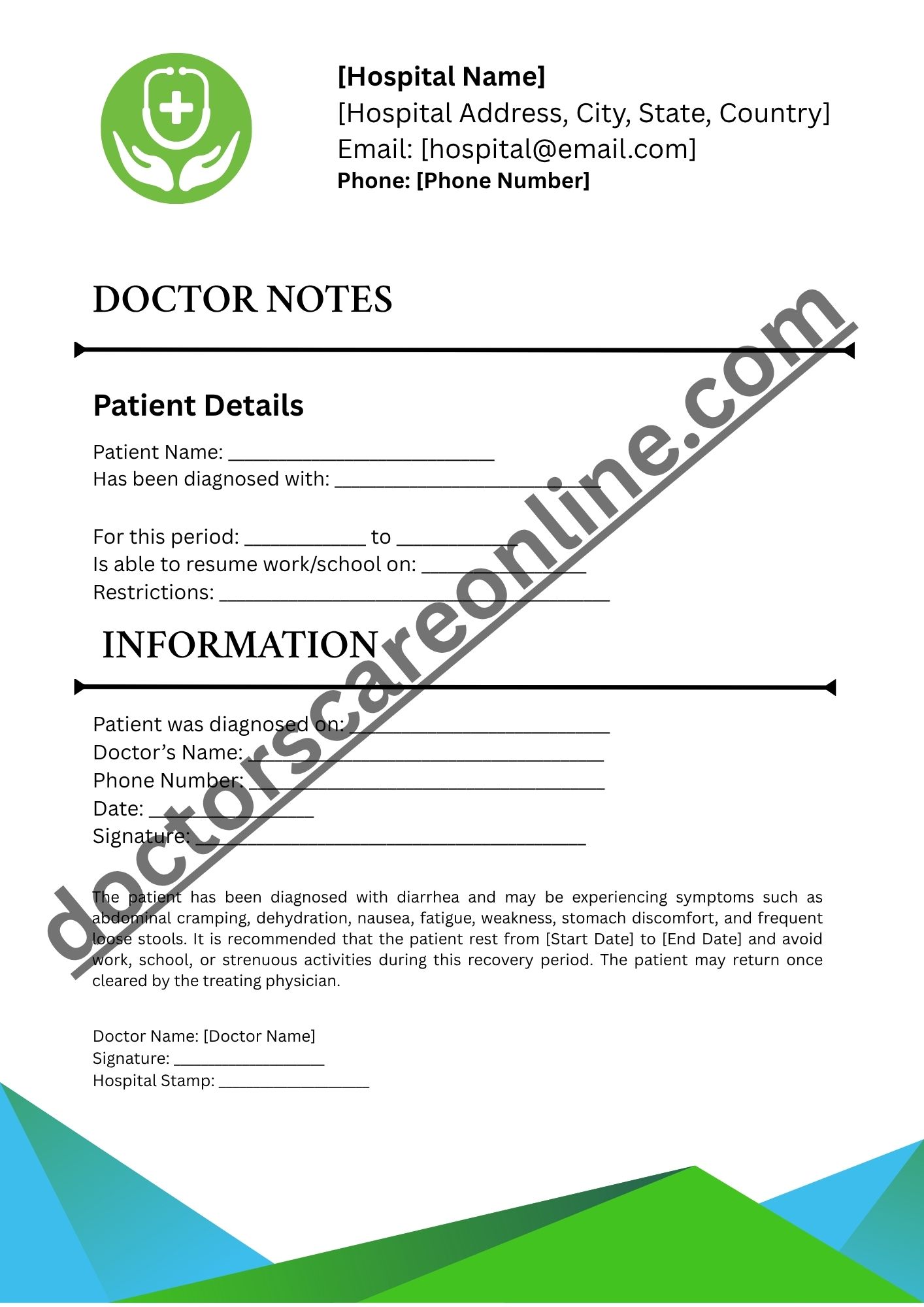
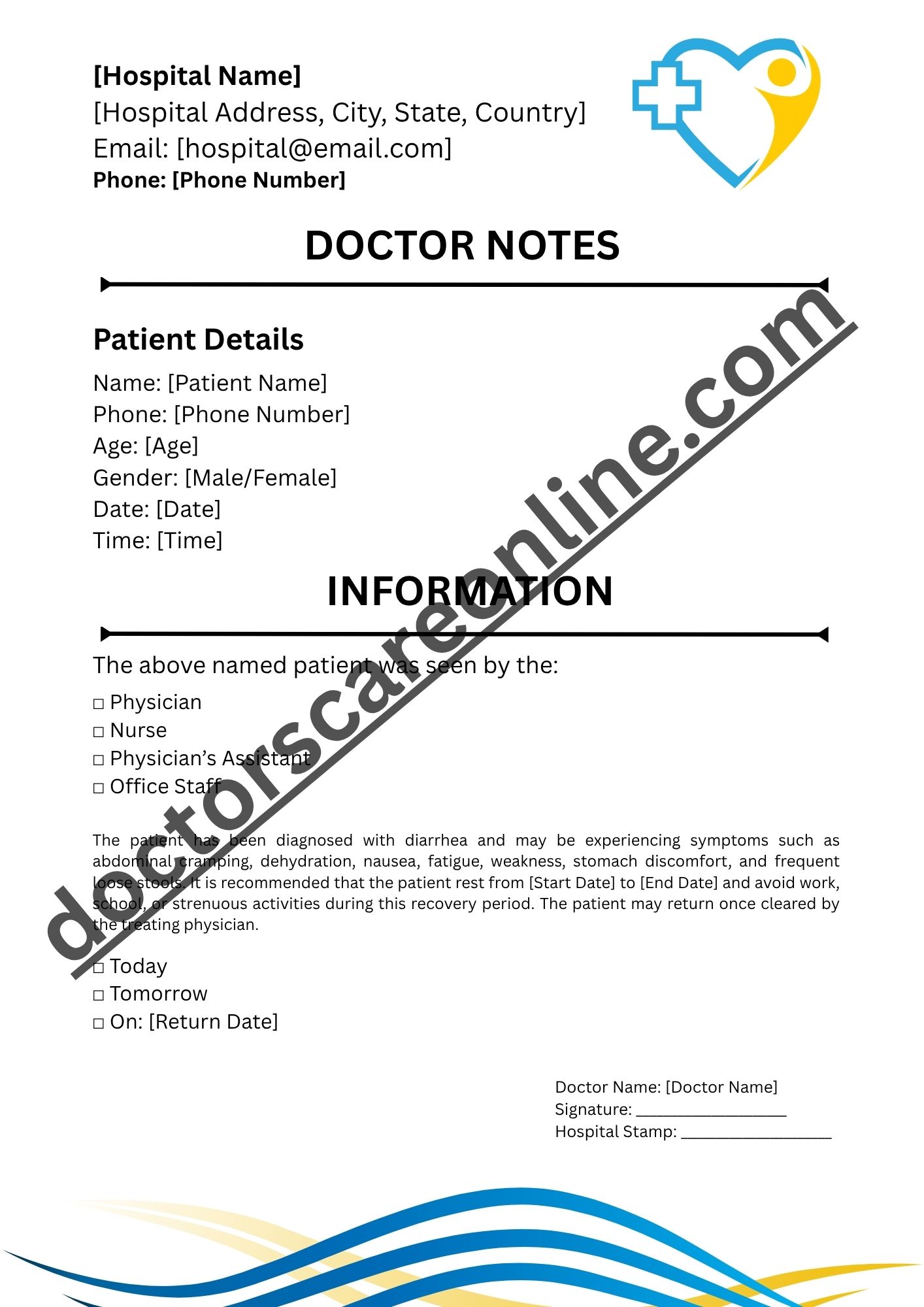
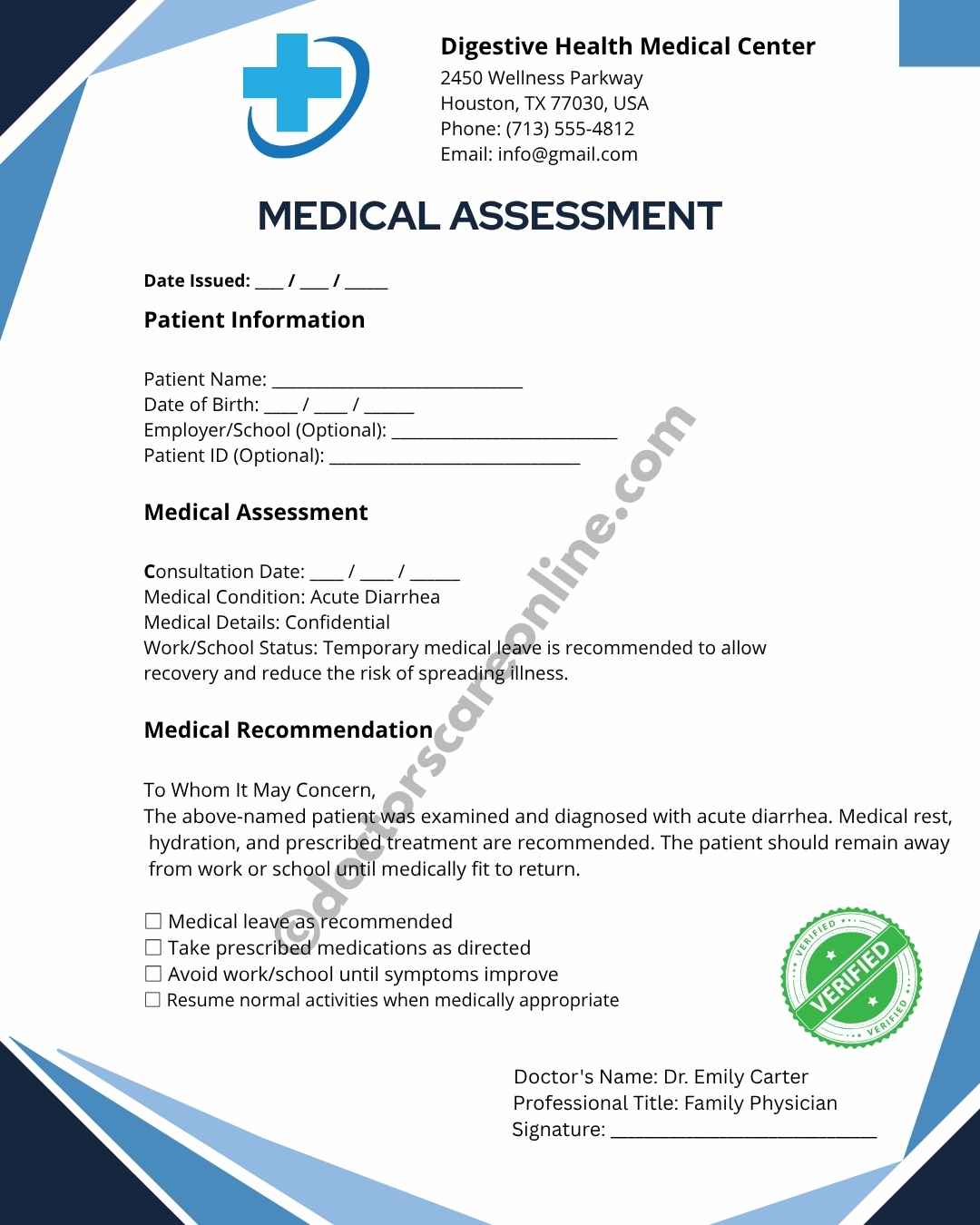
A Printable Doctors Note for Diarrhea provides written medical verification for employers, schools, colleges, or other organizations when an individual is unable to attend due to a digestive illness. This work excuse note, school excuse note, or physician medical certificate confirms that the patient was evaluated by a licensed healthcare professional and may include recommendations for rest, hydration, dietary adjustments, prescribed medications, and the expected recovery timeline.
Whether diarrhea is caused by viral gastroenteritis, food poisoning, bacterial infection, parasitic infection, food intolerance, or another gastrointestinal condition, the note serves as legitimate documentation supporting temporary absence while encouraging proper recovery and preventing the spread of contagious illnesses when applicable.
What Is a Doctor’s Note for Diarrhea?
A doctor’s note for diarrhea is an official medical document that verifies an individual’s illness after evaluation by a licensed physician or healthcare provider. It may be requested by employers, schools, universities, or other institutions when digestive symptoms prevent someone from safely performing daily responsibilities.
Depending on the patient’s condition, the doctor may recommend:
- Rest at home
- Oral rehydration therapy
- Increased fluid intake
- Temporary dietary modifications
- Prescription or over-the-counter medications when appropriate
- Follow-up care if symptoms persist
- Temporary work or school restrictions
Common Causes of Diarrhea
Diarrhea can occur for many reasons, including:
- Viral gastroenteritis (stomach flu)
- Food poisoning
- Bacterial infections
- Parasitic infections
- Food allergies or food intolerance
- Lactose intolerance
- Side effects of antibiotics or medications
- Irritable Bowel Syndrome (IBS)
- Inflammatory Bowel Disease (IBD)
- Crohn’s disease
- Ulcerative colitis
- Traveler’s diarrhea
- Contaminated food or water
Symptoms of Diarrhea
Common symptoms include:
- Frequent loose or watery stools
- Sudden urgency to use the restroom
- Abdominal cramps
- Stomach pain
- Bloating
- Nausea
- Vomiting
- Loss of appetite
- Fatigue
- Weakness
- Mild fever
- Headache
- Dehydration
- Dizziness
- Dry mouth
- Reduced urination
Symptoms vary depending on the underlying cause and severity of the illness.
How Doctors Diagnose Diarrhea
To determine the cause of diarrhea, a healthcare provider may perform:
- Review of medical history
- Discussion of recent travel or food consumption
- Physical examination
- Evaluation of symptom duration and severity
- Hydration assessment
- Stool sample testing (when necessary)
- Blood tests (for severe or prolonged illness)
- Additional imaging or gastrointestinal evaluation in persistent cases
Accurate diagnosis helps determine whether supportive care, medication, or further testing is needed.
Treatment for Diarrhea
Treatment depends on the underlying cause and severity of symptoms.
Common recommendations include:
- Drinking plenty of water
- Oral Rehydration Solution (ORS)
- Electrolyte replacement
- Rest
- BRAT diet (Bananas, Rice, Applesauce, Toast)
- Bland, easy-to-digest foods
- Avoiding dehydration
- Anti-diarrheal medications when medically appropriate
- Antibiotics only for confirmed bacterial infections
- Probiotics when recommended by a healthcare provider
Most uncomplicated cases improve with supportive care.
Recovery Time
Recovery depends on the cause of diarrhea.
General recovery estimates include:
- Mild viral diarrhea: 1–3 days
- Food poisoning: 1–5 days
- Bacterial infections: Several days to one week
- Chronic digestive disorders: Recovery varies depending on the condition and treatment plan.
Patients should follow their healthcare provider’s recommendations before returning to work or school.
What Information Is Included in a Doctor’s Note for Diarrhea?
A medical excuse note commonly contains:
- Patient’s full name
- Date of examination
- Medical diagnosis or reason for absence (when appropriate)
- Recommended rest period
- Work or school restrictions
- Return-to-work or return-to-school date
- Physician’s name
- Medical license information (where applicable)
- Clinic or hospital details
- Physician’s signature
Things to Avoid During Diarrhea
To support recovery, patients should avoid:
- Spicy foods
- Fried or oily foods
- High-fat meals
- Dairy products (if temporarily intolerant)
- Alcohol
- Caffeinated beverages
- Sugary drinks
- Dehydration
- Heavy physical activity
- Ignoring persistent or worsening symptoms
- Self-medicating with antibiotics unless prescribed
When Should You See a Doctor?
Seek medical attention immediately if you experience:
- Severe dehydration
- Blood in the stool
- Black or tarry stools
- Persistent vomiting
- High fever
- Severe abdominal pain
- Symptoms lasting longer than 2–3 days without improvement
- Signs of confusion or fainting
- Diarrhea in infants, older adults, or individuals with weakened immune systems
Prompt medical evaluation helps prevent complications and ensures appropriate treatment.
Frequently Asked Questions
Q: How long does diarrhea usually last?
A: Most cases of acute diarrhea improve within 1 to 3 days. Recovery depends on the underlying cause, hydration status, and overall health. Persistent diarrhea lasting more than a few days should be evaluated by a healthcare provider.
Q: Can a doctor provide a sick note for diarrhea?
A: Yes. If diarrhea prevents you from safely attending work, school, or other activities due to dehydration, frequent restroom use, weakness, or other symptoms, a licensed healthcare provider may issue a doctor’s excuse note or medical certificate recommending temporary leave.
Q: What causes diarrhea?
A: Common causes include viral infections, bacterial infections, food poisoning, contaminated food or water, food intolerance, medication side effects, digestive disorders, and gastrointestinal infections.
Q: Is hydration important during diarrhea?
A: Yes. Diarrhea can quickly lead to fluid and electrolyte loss. Drinking water, oral rehydration solutions, and electrolyte-containing fluids helps reduce the risk of dehydration and supports recovery.
Q: Can I return to work or school immediately?
A: You should return only after symptoms have significantly improved and your healthcare provider advises that it is safe to resume normal activities, especially if your illness is contagious.
Q: When should I seek emergency medical care?
A: Seek immediate medical care if you develop severe dehydration, persistent high fever, bloody stools, severe abdominal pain, confusion, fainting, or symptoms that worsen despite treatment.
Medical Disclaimer
This content is provided for educational and informational purposes only and should not be considered medical advice, diagnosis, or treatment. A doctor’s note can only be issued by a licensed healthcare provider following an appropriate medical evaluation. If you experience severe, persistent, or worsening diarrhea, dehydration, high fever, bloody stools, or other concerning symptoms, seek prompt medical care. Always follow the advice of your physician or qualified healthcare professional regarding diagnosis, treatment, and return-to-work or return-to-school recommendations.
Related Post




Reviews
There are no reviews yet.