
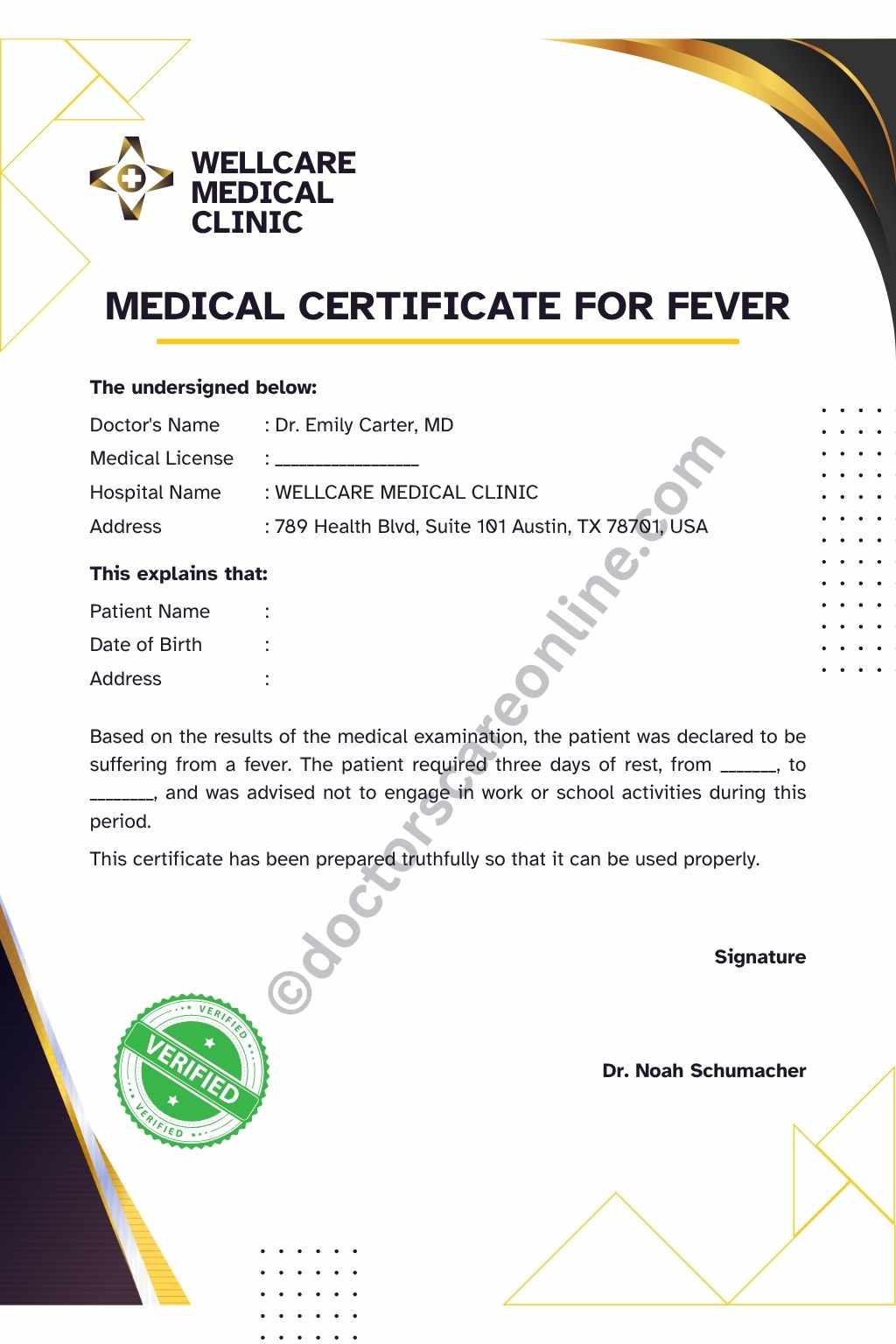
Doctor’s Note for Fever – Rest is often recommended when a person develops a fever caused by viral infections, bacterial infections, influenza, or other medical conditions. A doctor’s note for fever is a medical document that may be issued by a licensed healthcare provider to confirm that an individual has been evaluated for a fever-related illness and may need time away from work, school, or other daily responsibilities to recover.
A fever is generally considered a temporary increase in body temperature as the body’s immune system responds to an infection or illness. Depending on the severity and underlying cause, a healthcare provider may recommend rest, adequate hydration, medications, and follow-up care. A doctor’s note may include the patient’s diagnosis, recommended recovery period, work or school restrictions, and the expected return date.
Printable Doctor’s Note for Fever Template
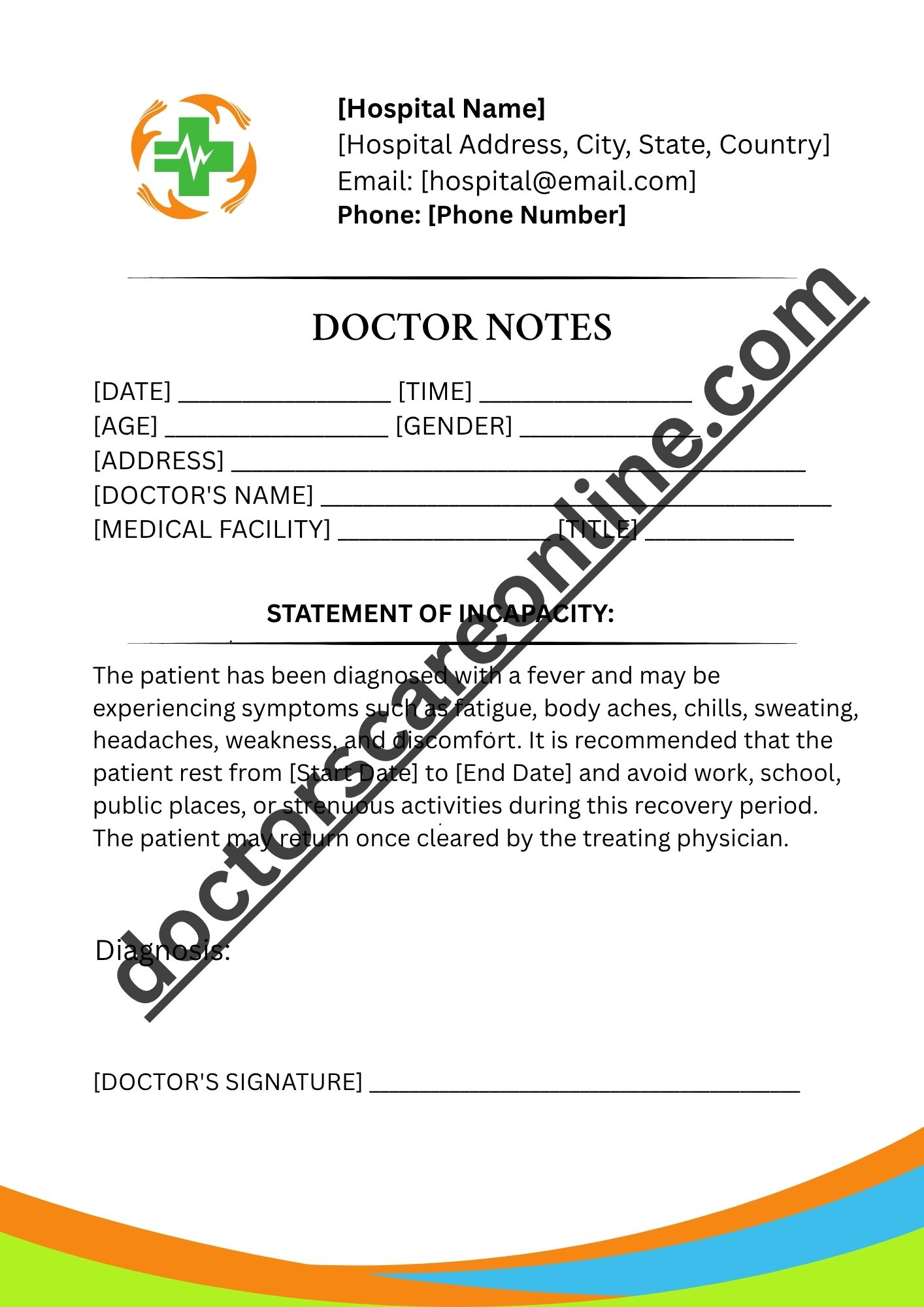
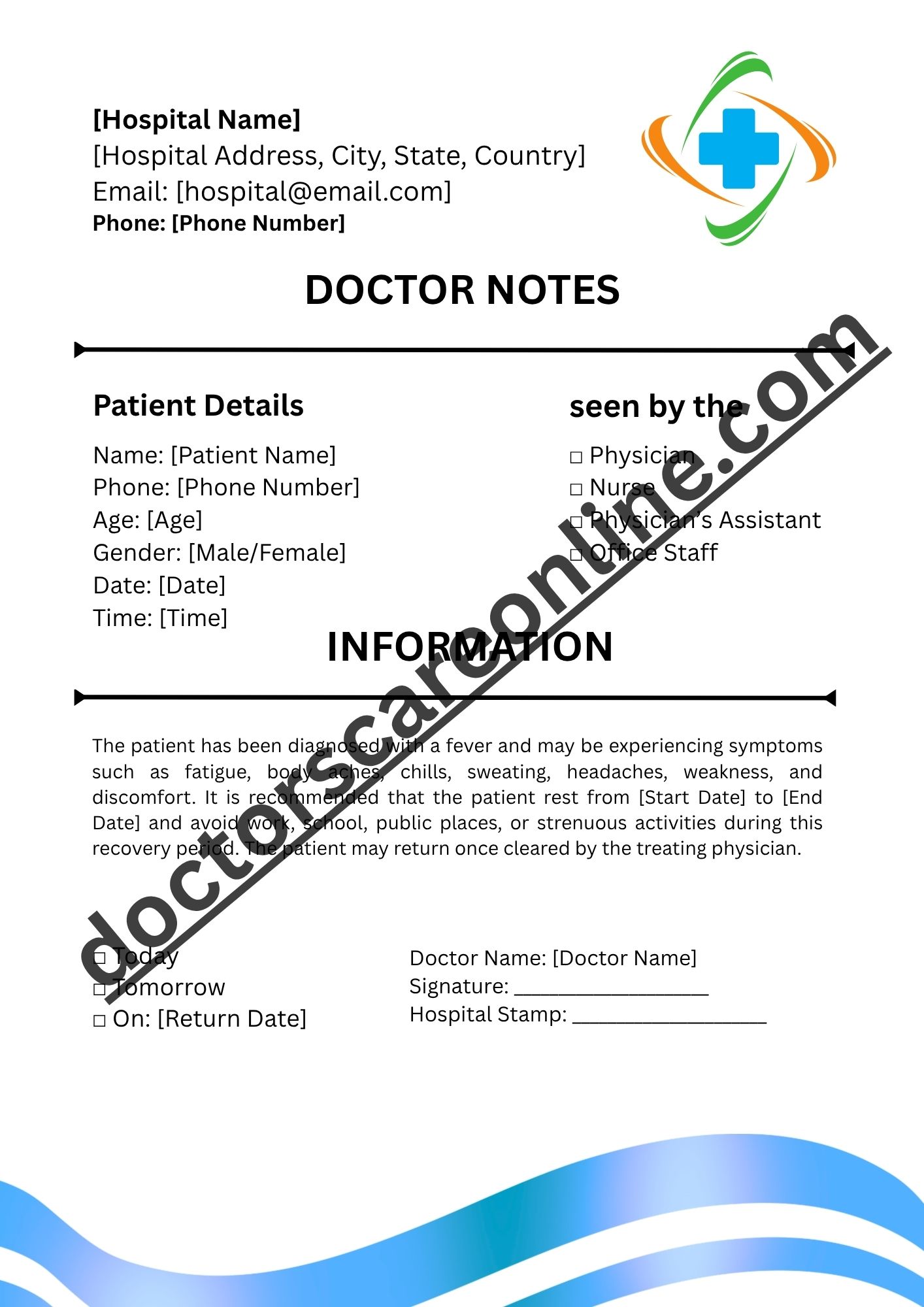
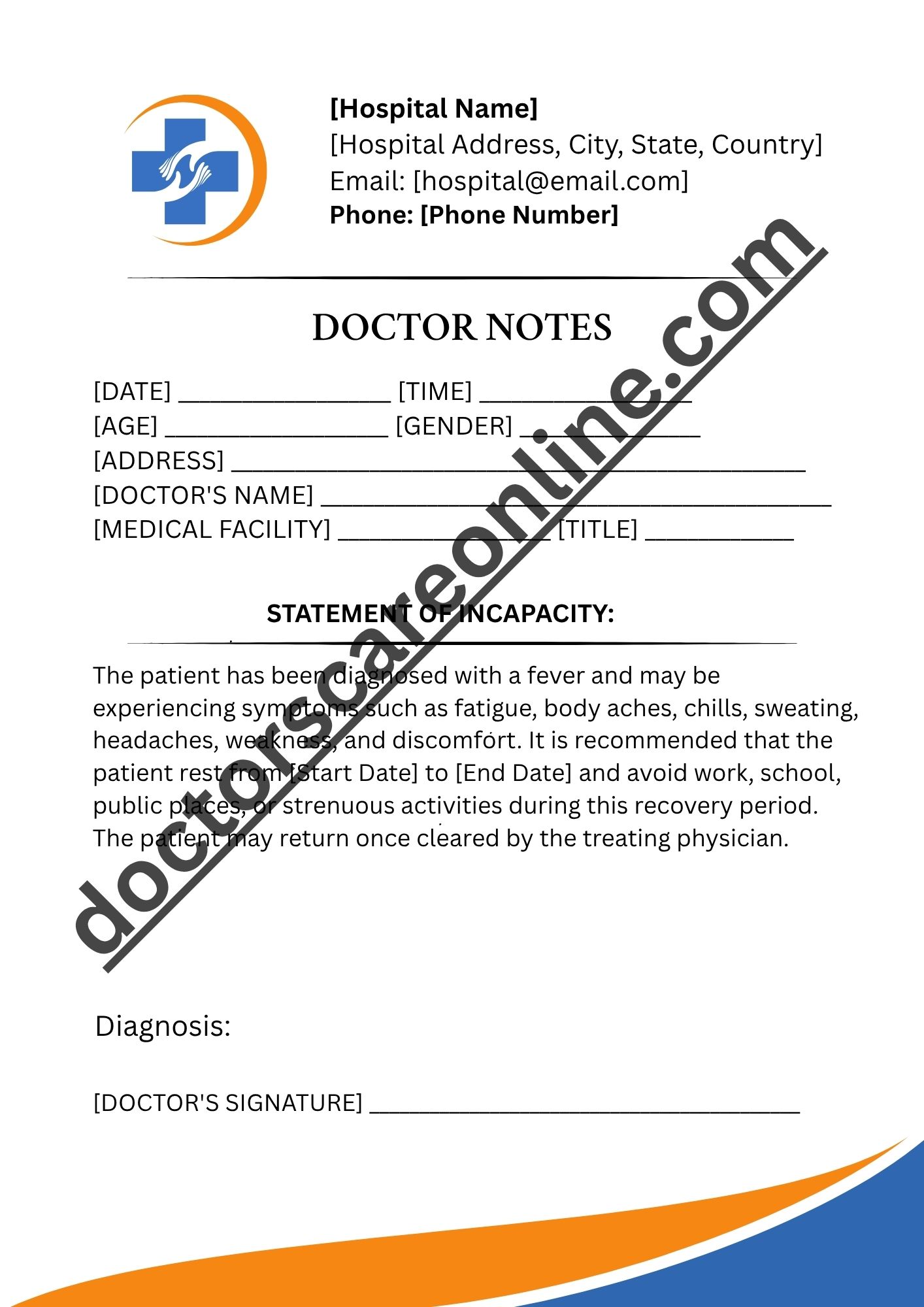
A printable doctor’s note for fever provides a professional sample layout that demonstrates the typical format of medical documentation used by healthcare providers. It can help individuals understand the information commonly included in a medical excuse, such as patient details, date of examination, diagnosis, treatment recommendations, and recommended leave period.
Healthcare providers may issue official medical documentation when a patient’s condition temporarily prevents them from attending work, school, or other obligations. Employers and educational institutions often require documentation only when requested under their attendance policies. The exact information included in an official doctor’s note varies depending on the patient’s medical condition, healthcare provider, and local regulations.
What Is a Doctor’s Note for Fever?
A doctor’s note for fever is documentation prepared by a licensed healthcare professional after evaluating a patient experiencing an elevated body temperature caused by an illness or infection. The note may verify that the patient requires temporary rest and should avoid work, school, or strenuous physical activity until medically appropriate to return.
Depending on the healthcare provider’s assessment, the note may include:
- Date of medical evaluation
- Patient’s name
- Diagnosis or general medical condition (when appropriate)
- Recommended rest period
- Treatment recommendations
- Return-to-work or school guidance
- Healthcare provider’s signature or verification
Common Causes of Fever
Fever can develop from many different medical conditions, including:
- Viral infections (common cold, influenza, COVID-19)
- Bacterial infections
- Ear infections
- Strep throat
- Sinus infections
- Urinary tract infections (UTIs)
- Pneumonia
- Gastrointestinal infections
- Heat-related illnesses
- Certain inflammatory or autoimmune conditions
- Reactions to some medications or vaccinations
The underlying cause determines the appropriate treatment and recovery time.
Common Symptoms of Fever
People experiencing a fever may notice one or more of the following symptoms:
- High body temperature
- Chills or shivering
- Excessive sweating
- Headache
- Muscle aches and body pain
- Fatigue or weakness
- Loss of appetite
- Dry mouth or dehydration
- Sore throat
- Cough
- Runny or stuffy nose
- Nausea
- Vomiting
- Dizziness
- Difficulty concentrating
- Rapid heartbeat
Symptoms vary depending on the illness causing the fever.
Common Treatment Recommendations
Treatment depends on the underlying medical condition. A healthcare provider may recommend:
- Getting adequate rest
- Drinking plenty of water and electrolyte-rich fluids
- Taking medications only as directed by a healthcare provider
- Monitoring body temperature
- Eating light, nutritious meals
- Following prescribed antibiotics only when indicated for bacterial infections
- Scheduling follow-up care if symptoms continue
Avoid taking medications without professional guidance, especially for children or individuals with chronic health conditions.
Recovery Tips
Recovery from a fever often improves with supportive care.
Helpful recovery practices include:
- Stay hydrated throughout the day.
- Sleep and rest as much as possible.
- Wear lightweight, comfortable clothing.
- Keep the room at a comfortable temperature.
- Eat balanced meals when your appetite returns.
- Continue taking prescribed medications as instructed.
- Monitor your temperature regularly.
- Avoid returning to work or school before you have recovered and your healthcare provider advises it is appropriate.
Things to Avoid During Fever
To support recovery, avoid:
- Dehydration
- Heavy physical activity
- Alcohol consumption
- Smoking or vaping
- Skipping prescribed medications
- Ignoring persistent high fever
- Wearing heavy or tight clothing
- Sharing medications with others
- Self-medicating without medical advice
- Returning to work or school too early
- Remaining in extremely hot or cold environments
When to Seek Medical Attention
Consult a healthcare provider if:
- Fever lasts longer than several days.
- Body temperature continues to increase.
- Symptoms worsen instead of improving.
- You experience severe dehydration.
- Persistent vomiting prevents fluid intake.
- You have significant weakness or dizziness.
- A child, older adult, pregnant individual, or person with a weakened immune system develops a fever.
Seek Emergency Medical Care Immediately If You Experience:
- Fever above 103°F (39.4°C) unless otherwise advised by a healthcare professional
- Difficulty breathing
- Chest pain
- Severe confusion
- Loss of consciousness
- Seizures
- Stiff neck with severe headache
- Blue lips or face
- Severe allergic reaction
- Persistent inability to stay awake
Who May Need a Doctor’s Note for Fever?
A doctor’s note may be requested by:
- Employees returning to work
- Students returning to school
- College and university students
- Teachers
- Healthcare workers
- Government employees
- Office workers
- Factory employees
- Childcare providers
- Individuals participating in organized activities that require medical clearance
Requirements vary by employer, school, institution, or local policy.
Frequently Asked Questions
Q: What temperature is considered a fever?
A: In most adults, a body temperature of 100.4°F (38°C) or higher is generally considered a fever.
Q: Can a fever require sick leave?
A: Yes. Depending on the severity of the illness and workplace or school policies, a healthcare provider may recommend temporary leave until recovery.
Q: Should every fever be treated with medication?
A: Not always. Treatment depends on the underlying cause, symptom severity, age, and overall health. A healthcare provider can determine the most appropriate treatment.
Q: Can I go to work with a fever?
A: It is generally recommended to stay home if you have a fever, especially if it is caused by a contagious illness. This helps protect your health and reduces the risk of spreading infection.
Q: Is fever contagious?
A: A fever itself is not contagious, but the illness causing it—such as influenza, COVID-19, or other viral infections—may be contagious.
Q: How long does a fever usually last?
A: Many viral fevers improve within a few days, although recovery time depends on the underlying condition and individual health.
Q: Do antibiotics cure fever?
A: Antibiotics only treat bacterial infections. They are not effective against viral illnesses, which are a common cause of fever.
Q: Can children attend school with a fever?
A: Children should generally remain home until they are fever-free according to their healthcare provider’s advice and the school’s attendance policy.
Q: Can dehydration make a fever worse?
A: Yes. Fever increases fluid loss, so staying well hydrated is important during recovery.
Q: When should I see a doctor for a fever?
A: Seek medical evaluation if your fever persists, worsens, repeatedly returns, or is accompanied by severe symptoms such as breathing difficulty, confusion, seizures, or persistent vomiting.
Medical Disclaimer
This information is provided for educational and informational purposes only. It is not medical advice, does not replace consultation with a licensed healthcare professional, and should not be used to diagnose or treat any medical condition.
Any printable doctor’s note or template provided on this website is intended solely as a sample format or reference document. It is not an official medical certificate and should never be altered, presented as authentic medical documentation, or used to misrepresent a medical condition or healthcare provider.
If you have a fever, persistent symptoms, or concerns about your health, seek evaluation from a qualified healthcare professional. In the event of severe symptoms or a medical emergency, contact your local emergency medical services immediately.
Related Post

Reviews
There are no reviews yet.